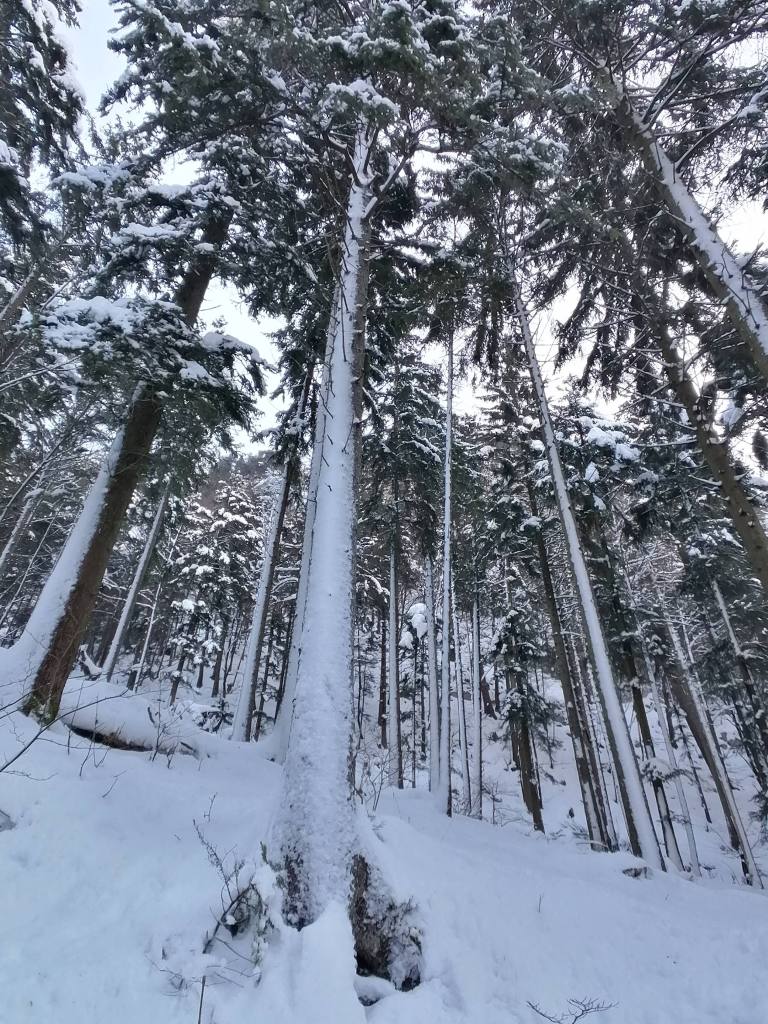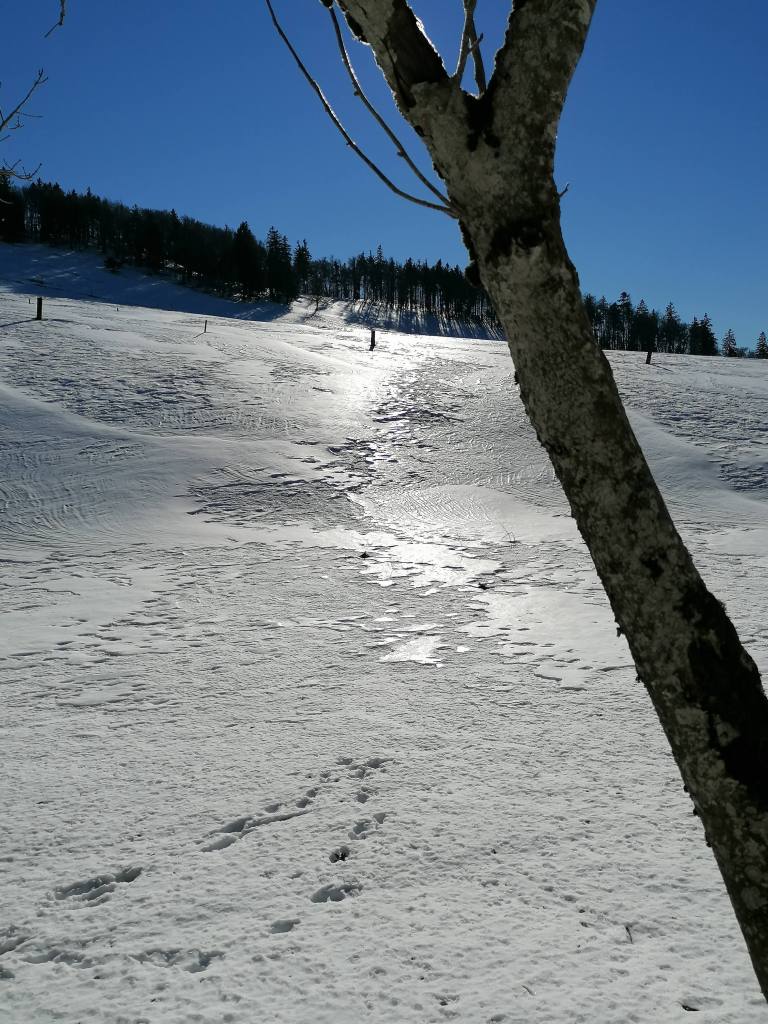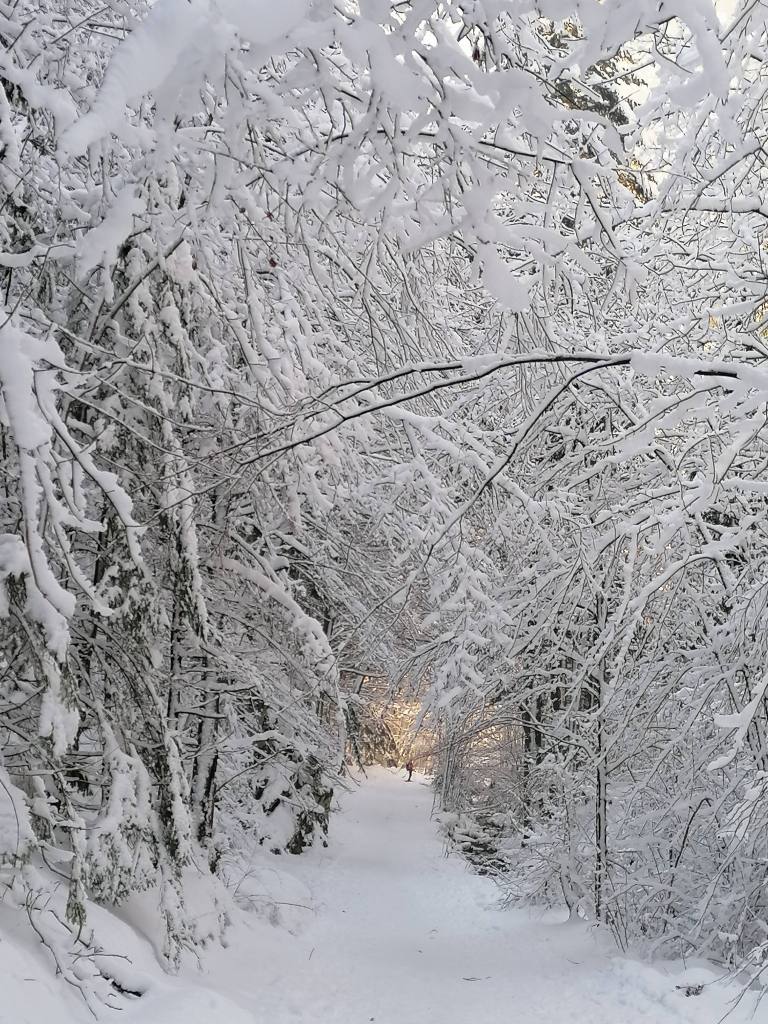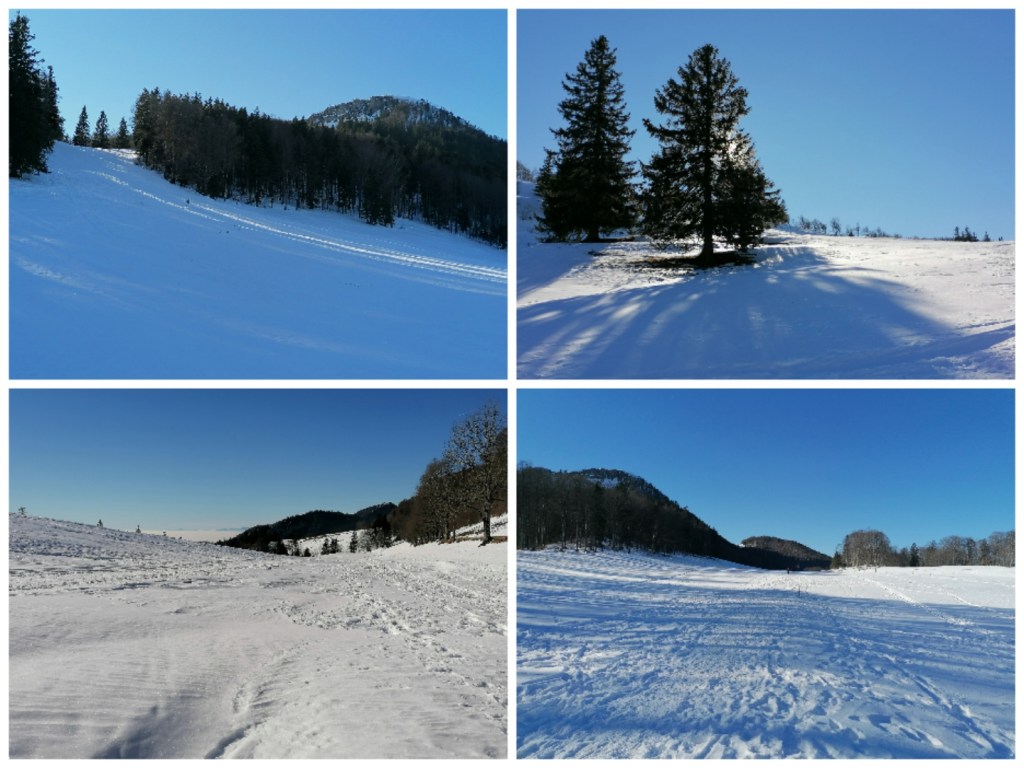
First day of the year, first hike, crazy weather

The Jura mountains tend to have a colder climate than the Alps at the same altitude.  In fact, every year, the coldest temperature recorded in Switzerland comes from the Jura village of La Brévine, at 1043m. In January 1987, it recorded – 41.8°c, but it is fairly routine for their winter temperatures to dip to – 30°c. Right now, it is around 7-10°c up from – 20°c 12 days ago.

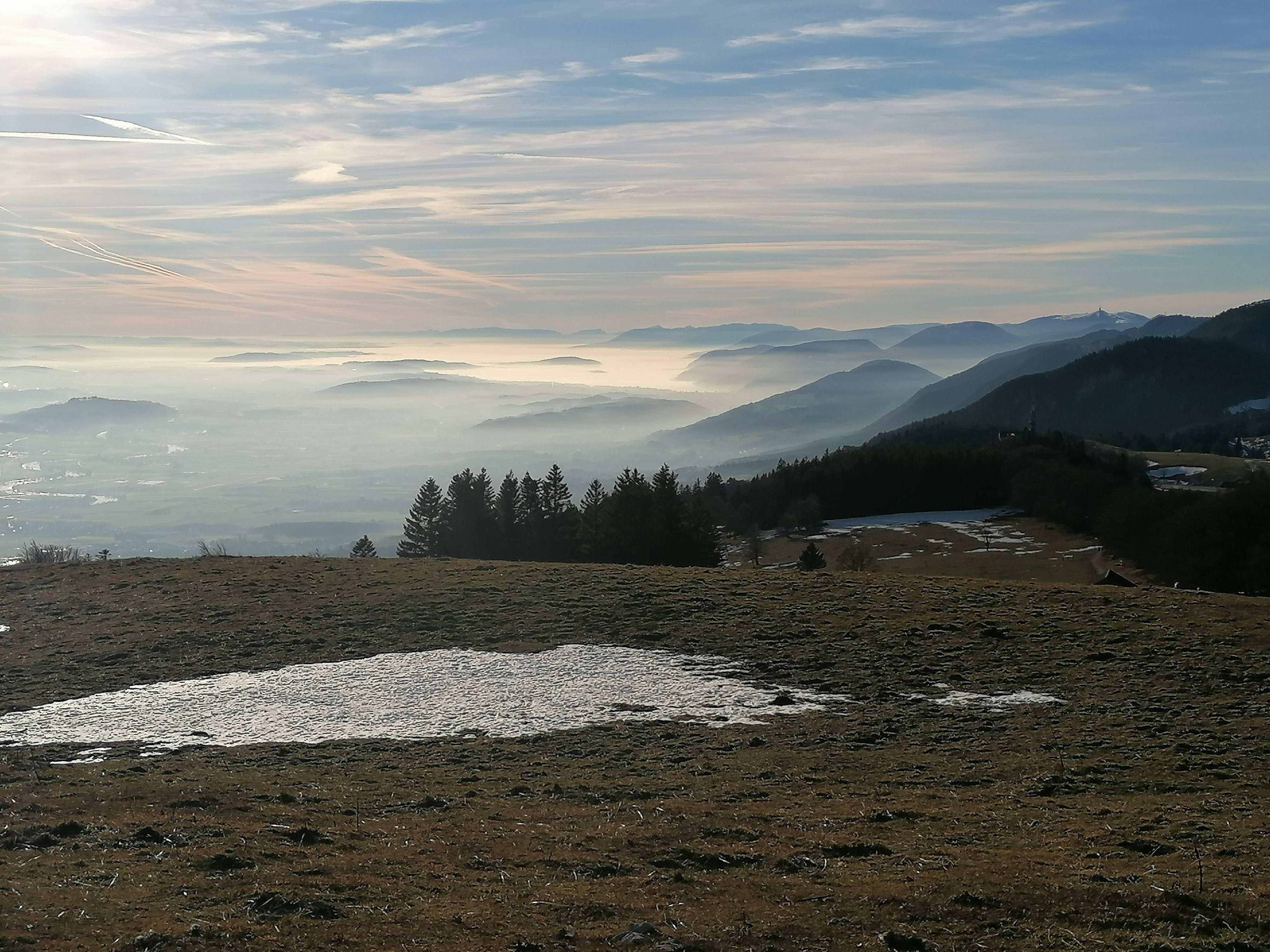
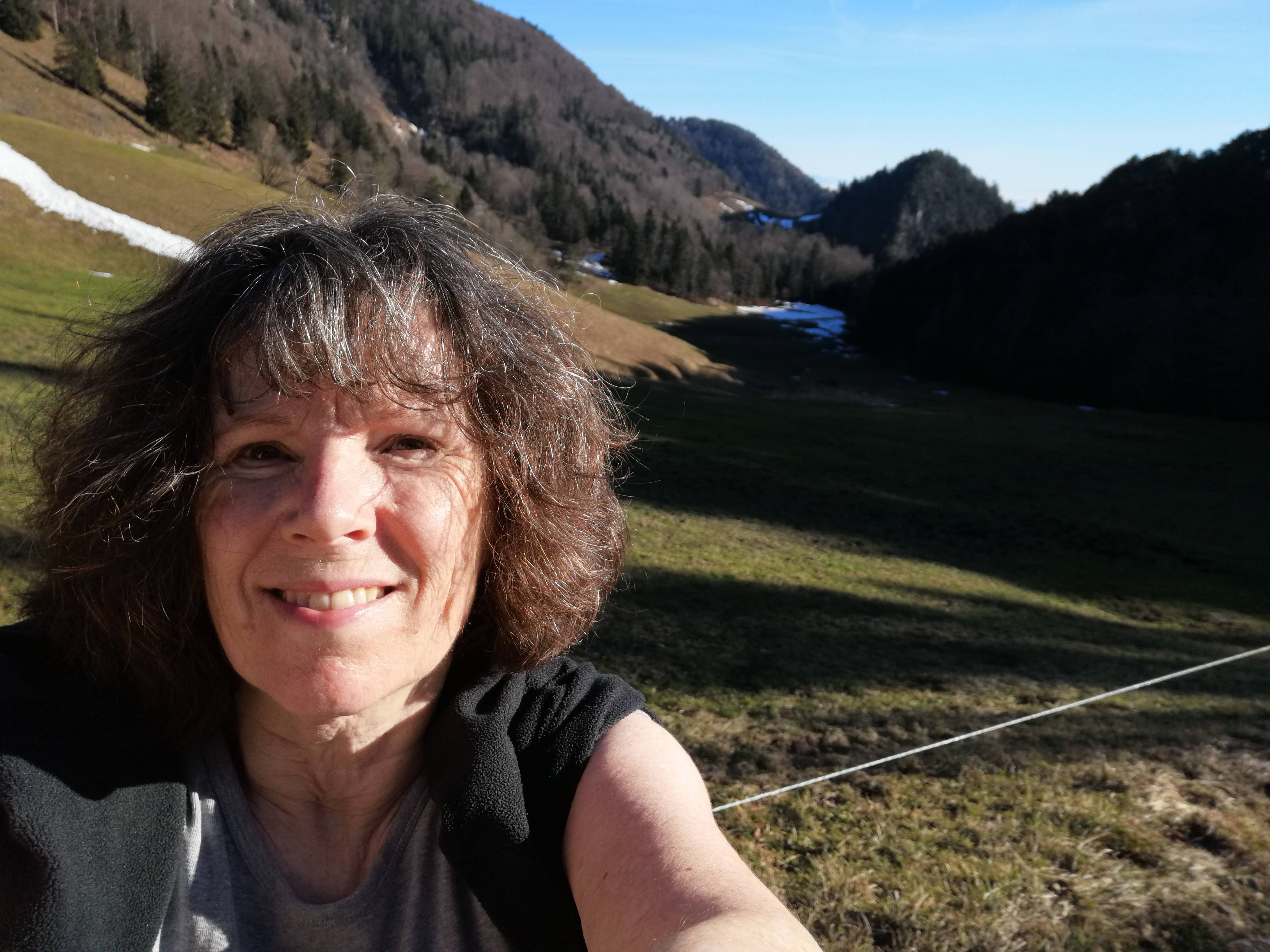
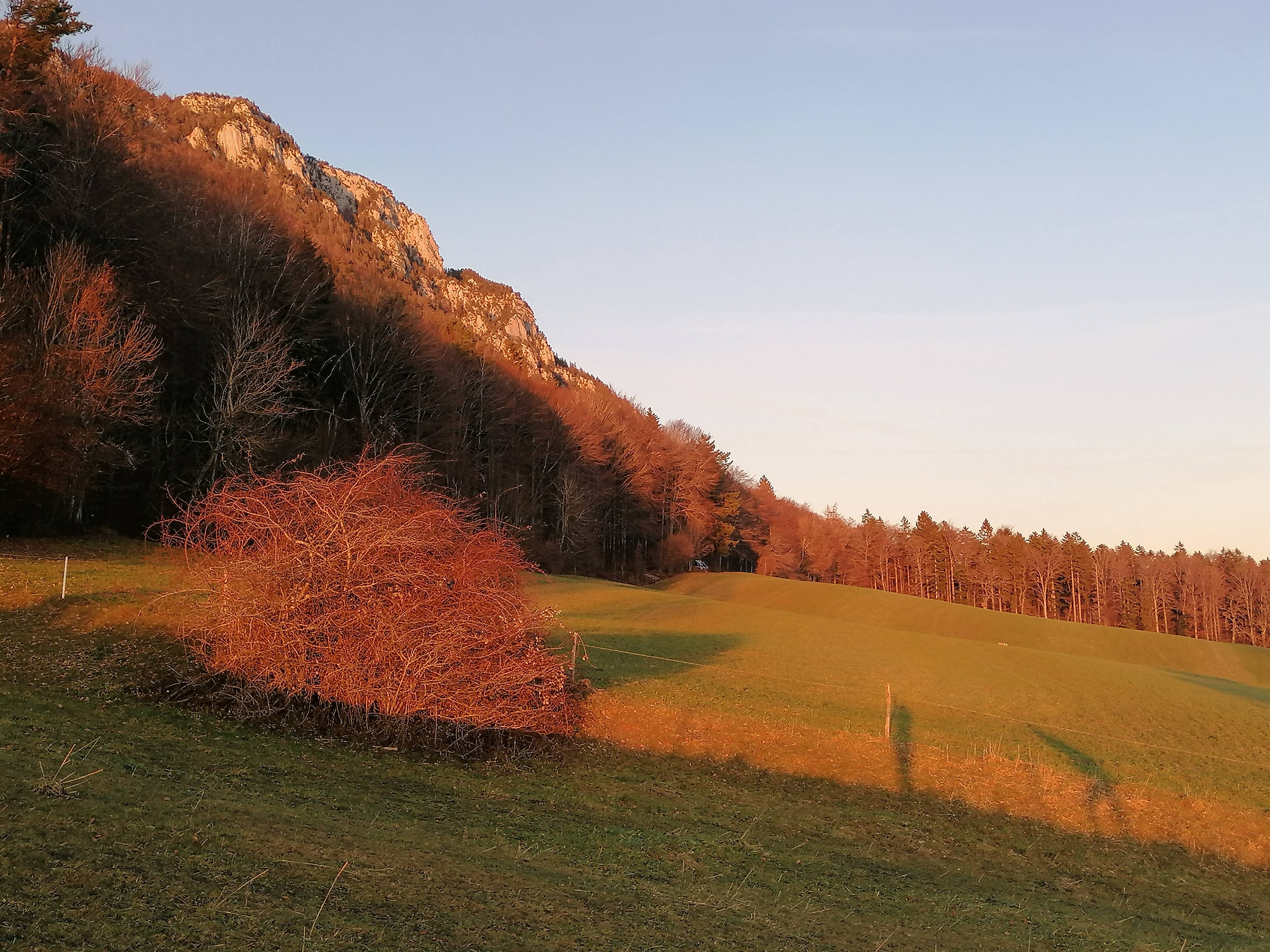
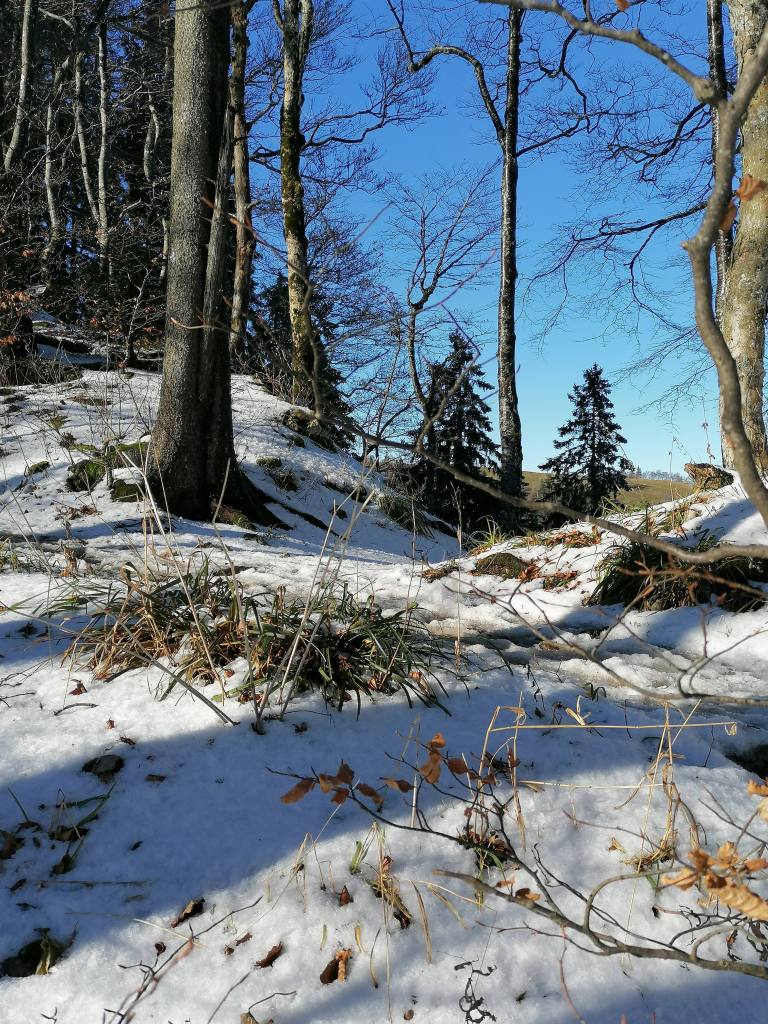
While a lot of snow fell on the Jura about two weeks ago, most of it is gone now due to unusually warm weather.  We actually hiked up and picknicked in T-shirts on the highest summit of the canton at 1445m (Hasenmatt), temperatures were between 13 and 15°c up there on January 1st!  It was a pleasant loop of 20 km, taking in the second highest (Röti, 1395) as well for a total up of 1300m.

Jour de l’an, première rando, températures anormales

Le Jura a des températures plus froides, à même altitude, que les Alpes. En fait, chaque hiver, les températures les plus froides sont enregistrées dans le petit village de La Brévine à une altitude de 1043 m. En janvier, il a enregistré un record de – 41.8°c mais il n’est pas rare que les températures plongent à – 30°c pendant l’hiver. Elles y oscillent entre 7 et 10°c, alors qu’elles étaient de – 20°c il y a 12 jours.

Bien que des chutes de neige copieuses aient blanchi le Jura il y a 2 semaines, il n’en reste à peu près rien à cause de températures anormalement douces pour la saison. Nous avons fait une boucle de 20 km, en montant 1300 m, incluant les deux plus hauts sommets du canton (Hasenmatt, 1445 m et Röti, 1395 m). Nous étions en T-shirt… le 1er janvier..!

Nous espérons que la neige revienne bientôt pour monter faire de la raquette.

Before the snow

The forecast was for snow to arrive on the nearby summits of the Jura in the next few days, so we thought we would make a last autumn dash up the Hasenmatt.  The cloud cover was supposed to be higher than the previous week, at about 1000-1200m.

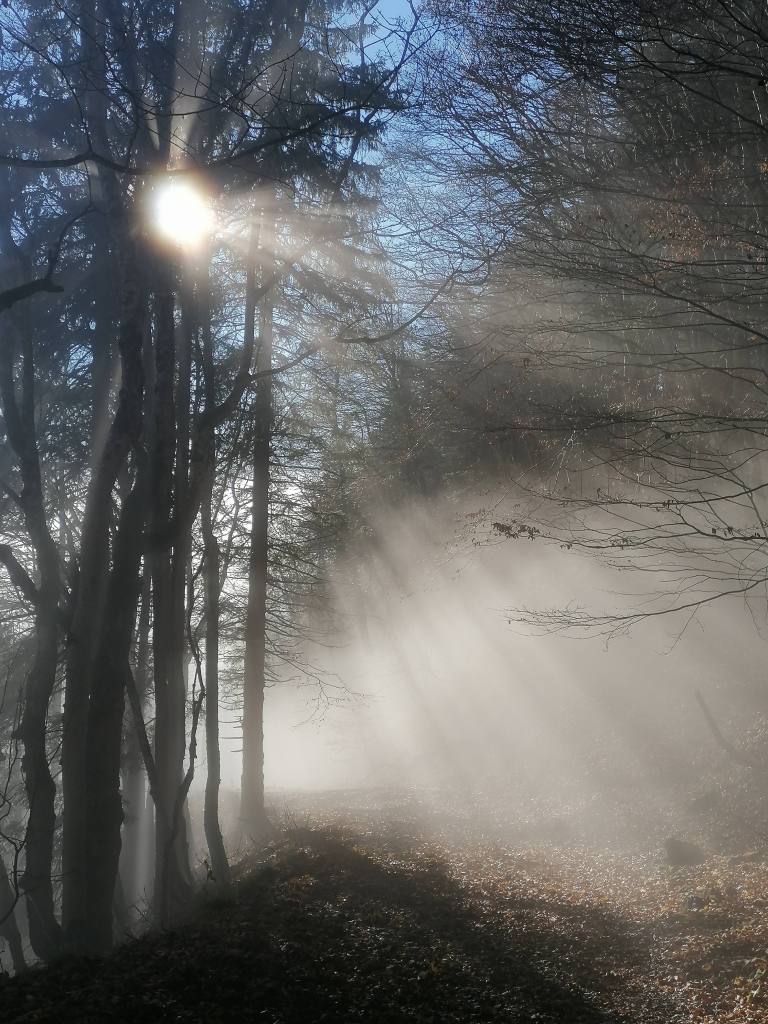
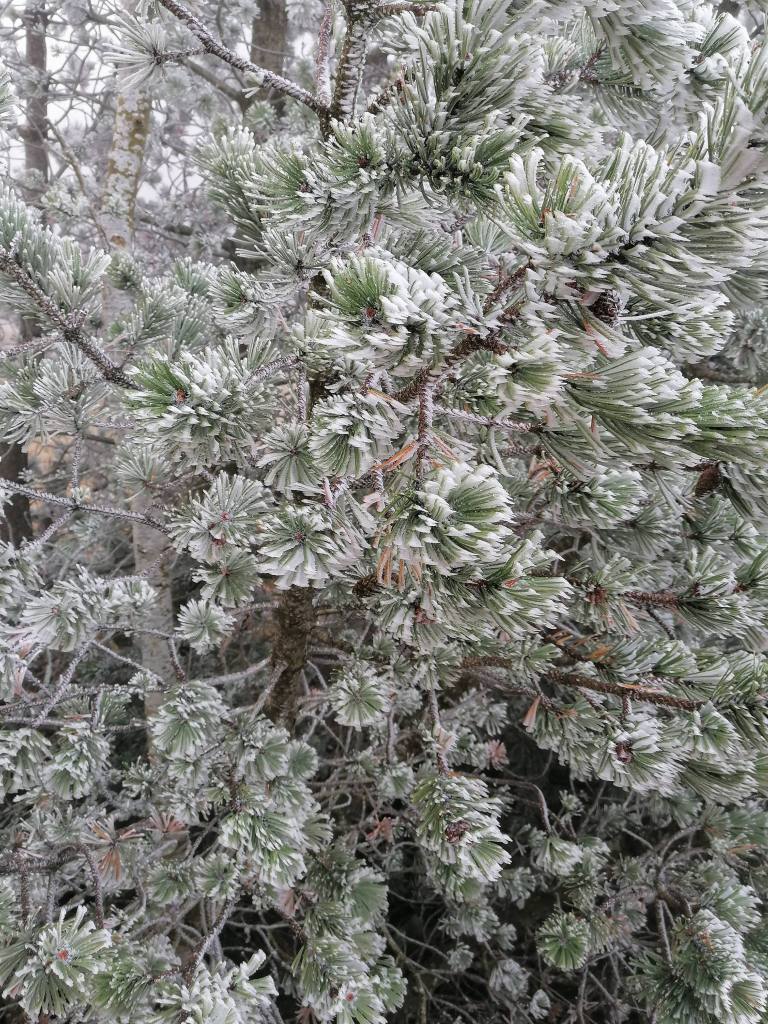
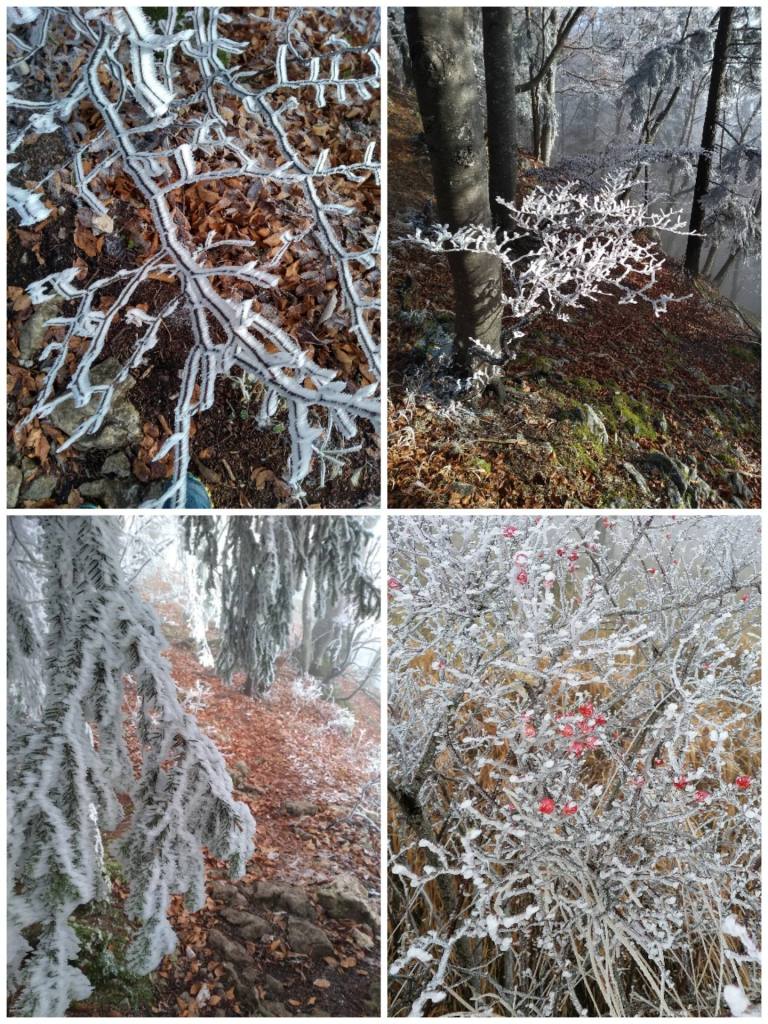
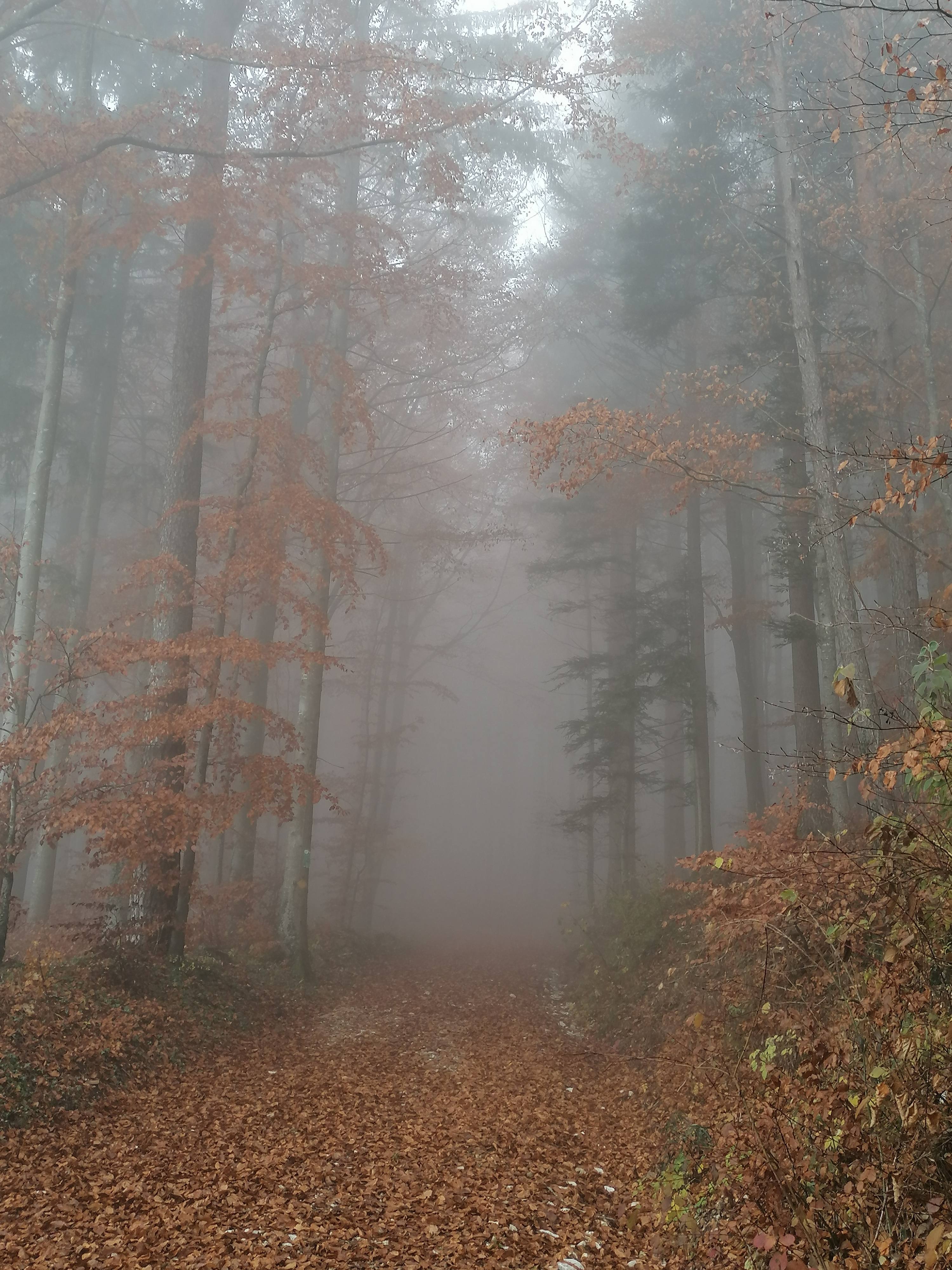
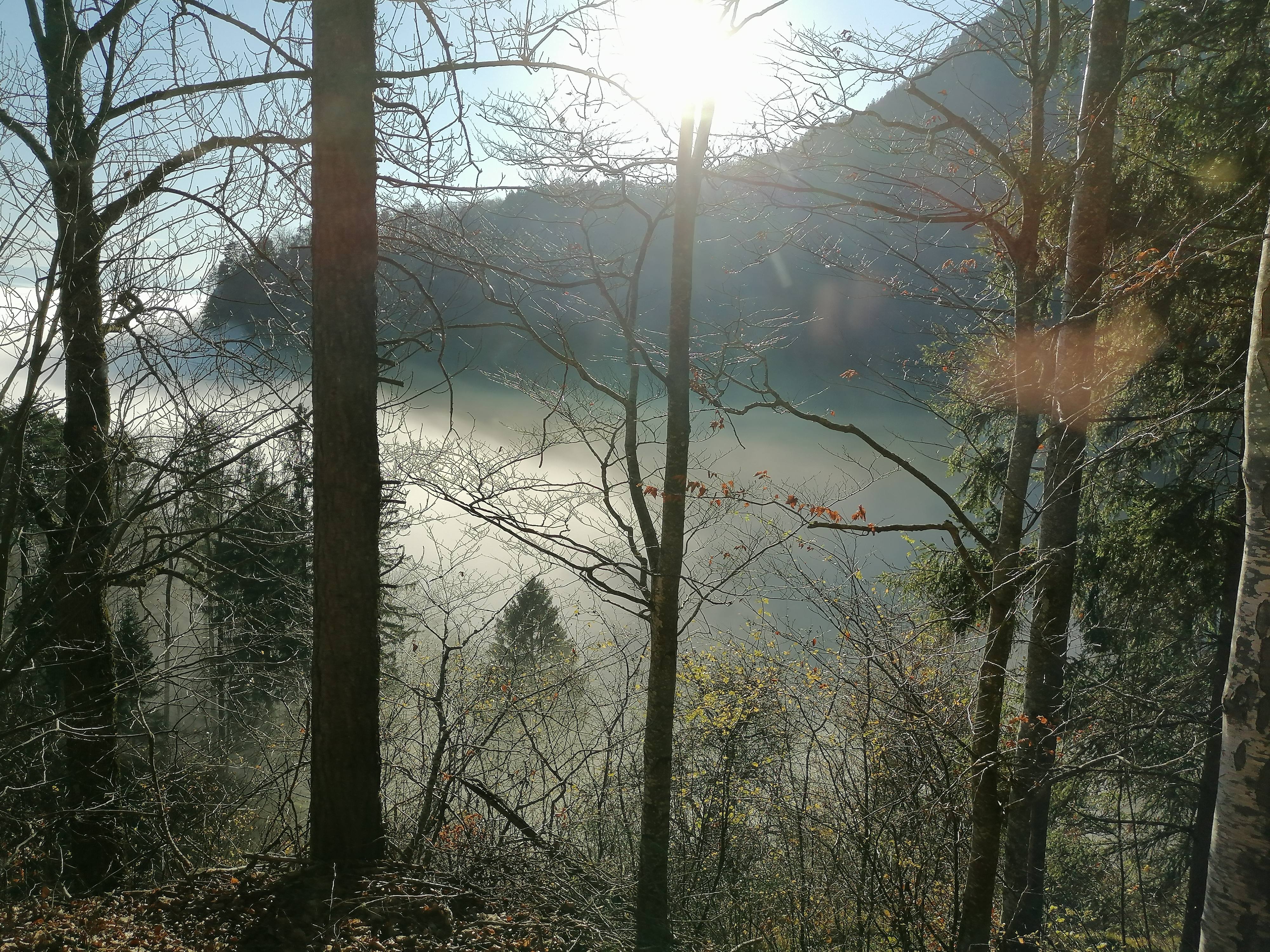
At 1200m, the trees were white with freezing fog and we started wondering whether we would get to see the sun. Yet, just 50m higher, the frost was falling to the ground as the top branches were in the sun and soon we could see a bright blue sky. Still further up, the ground was completely white from all the frost that had fallen off trees. 

Views were again magnificent but contrary to a few days ago, there was a cold wind at the top.  The shady side of the mountain was frosty and we had to be cautious on the way down. We re-entered the clouds and, for a short distance, admired the beautiful frozen nature.

Avant la neige

La météo prévoyait des chutes de neige sur le Jura dans les prochains jours. Nous avons donc décidé d’effectuer une dernière montée automnale à Hasenmatt. Les nuages devaient se situer entre 1000 et 1200 m, plus haut que la semaine précédente. 

A 1200 m les arbres étaient recouverts de glaçons dans le brouillard givrant et nous avons commencé à douter  que nous verrions le soleil. Pourtant, 50 mètres plus haut le sol était recouvert de la glace tombée des hautes branches qui se trouvaient déjà au soleil.  Un peu plus haut encore, le sol était entièrement blanc, les arbres nus et le ciel bien bleu. 

La vue était magnifique au sommet mais le vent rendait l’atmosphère glaciale. La partie ombragée de la montagne était gelée et nous sommes descendus prudemment.  Nous sommes retournés dans le brouillard givrant et avons pu admirer la beauté des arbres gelés. 

Temperature inversion

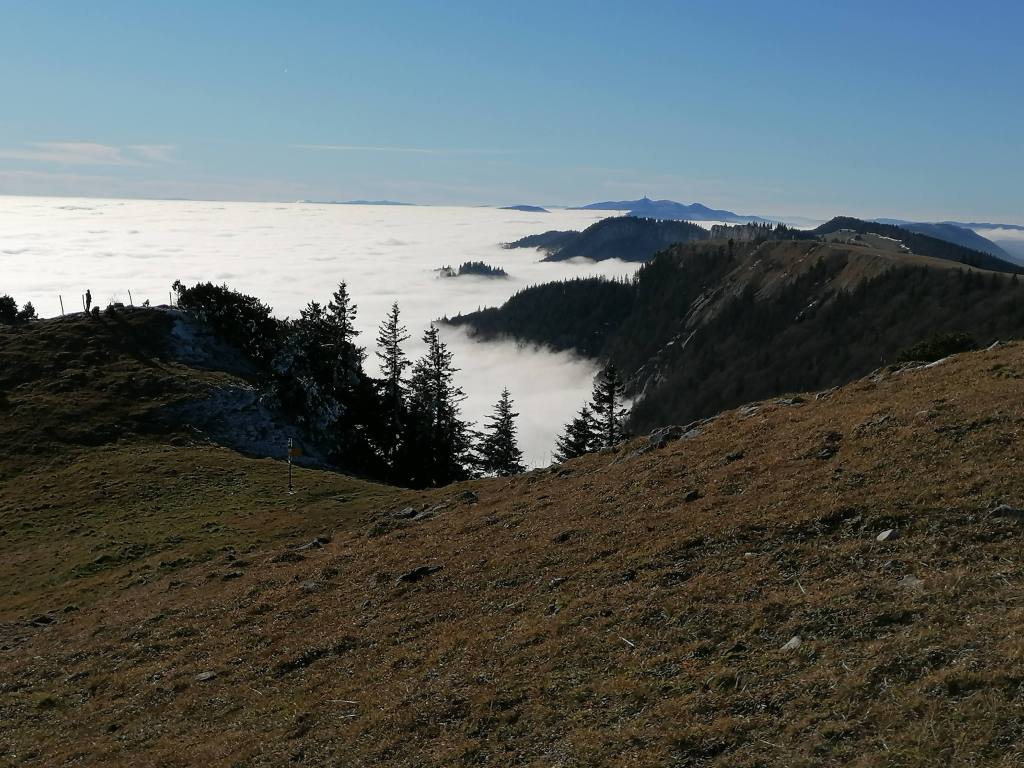
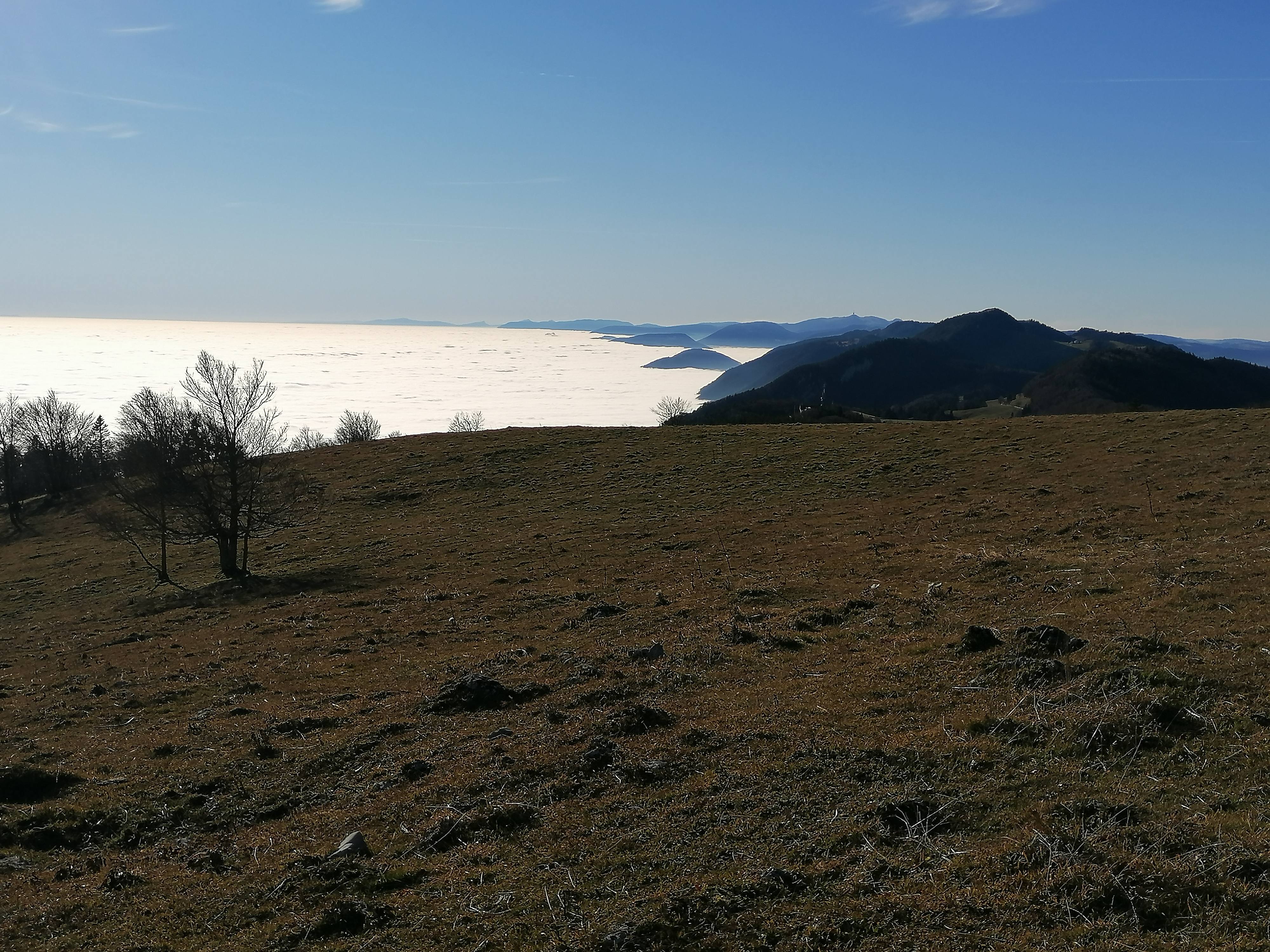
This season sees some episodes of fog, sometimes lifting at around 10-11am, sometimes staying stubbornly stuck over the area.  Fortunately, we live at the foot of the Jura mountains and can hike up above the clouds which usually peak at 700-800m.

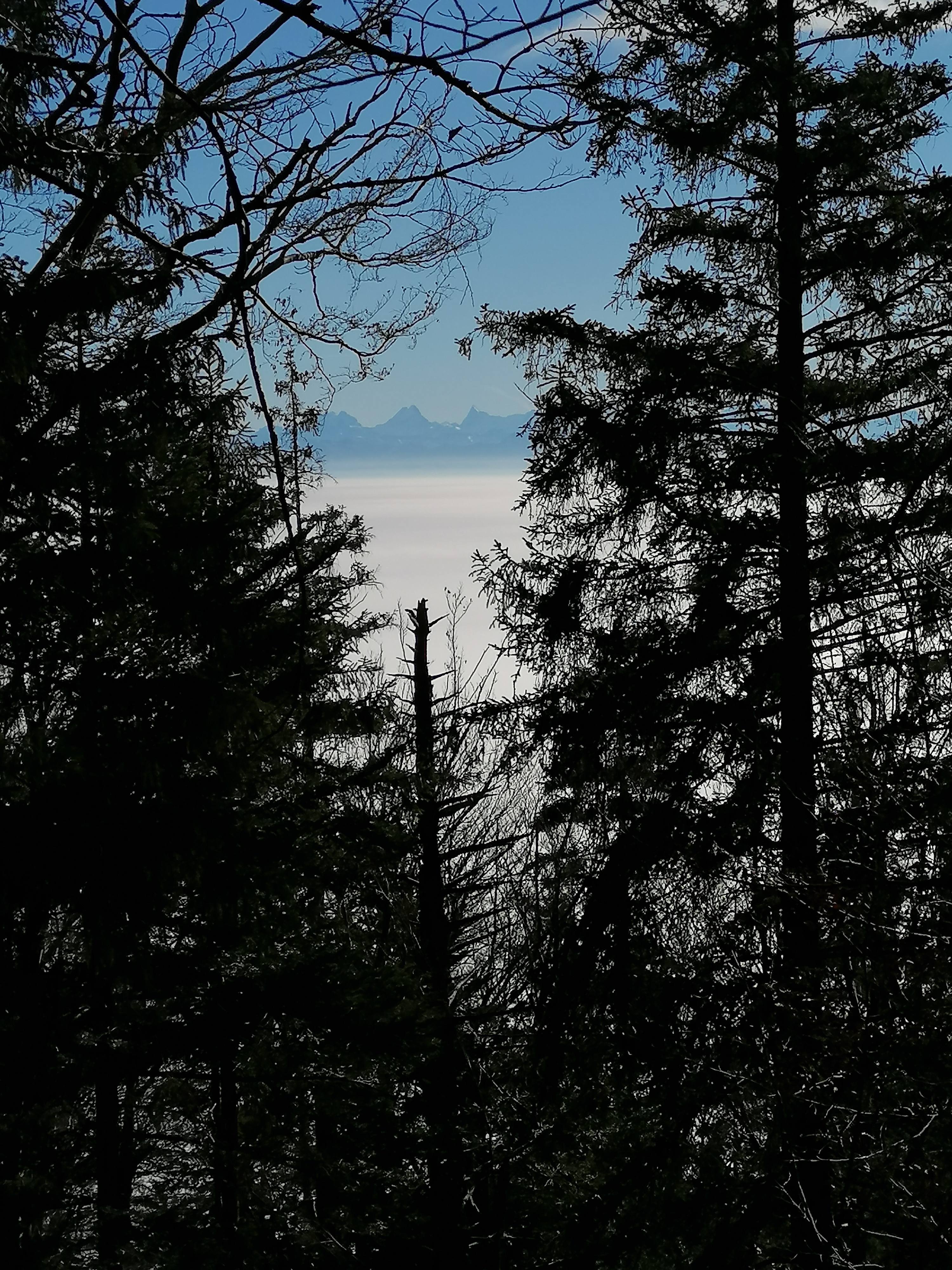
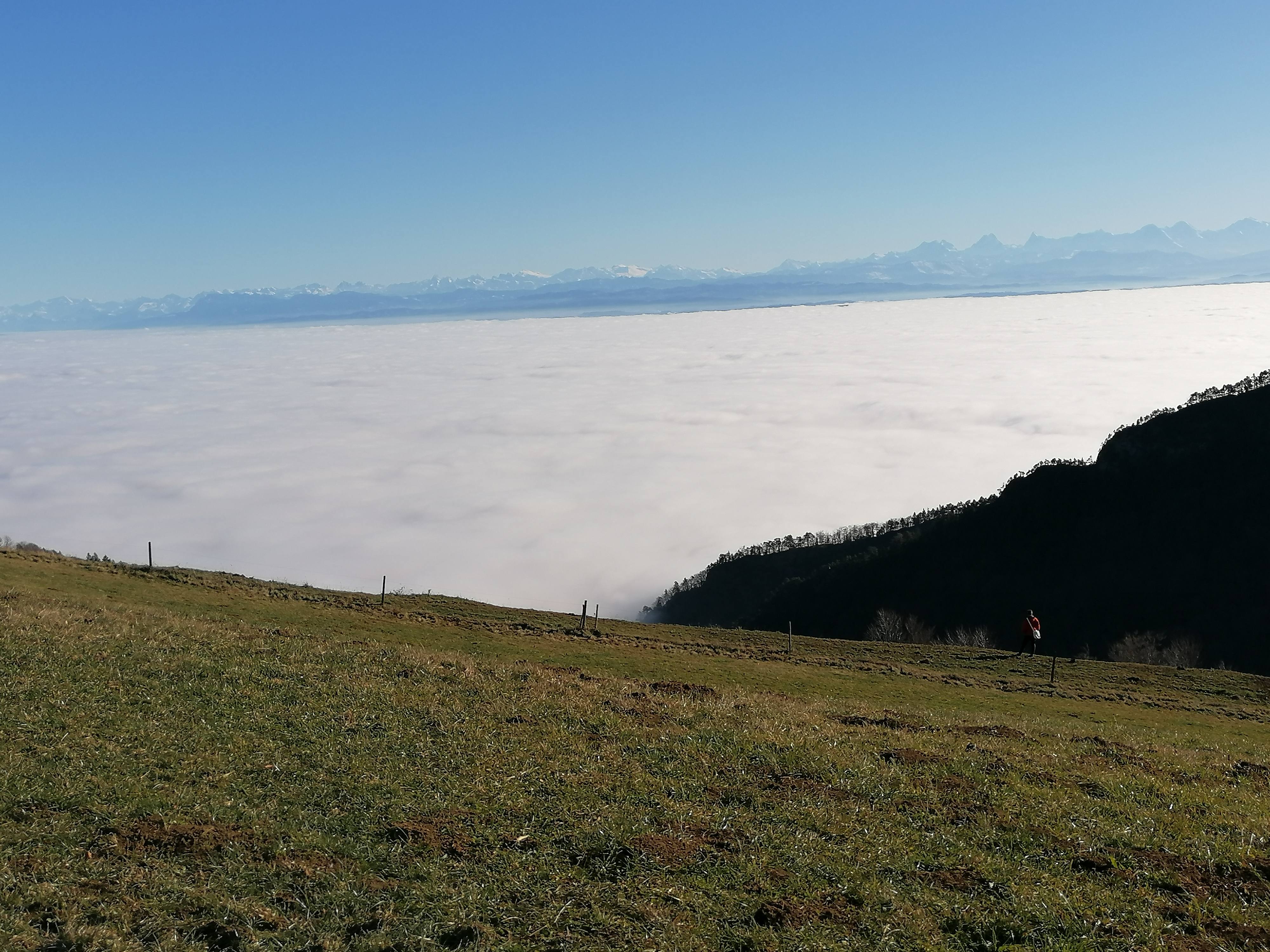
So, yesterday, we walked through town, the Verena gorge, the village of Rüttenen, entered the forest and started our climb. After walking for about 2h30, we reached (gasp) Balmfluechöpfli, a viewpoint where we had a picnic in  the sun. The Alps were clearly visible across the sea of fog.  Next stop was Röti, at 1395m,  on to Weissenstein and back down. 

This weather pattern leads to an inversion of temperatures where it might be 12° at 1200m and 4° at 400m which is below or in the fog. As we reached the cloud at  700m, we had to put our jackets, hats and gloves back on as we entered the cold(er) mist. 

En cette saison, il n’est pas rare que le brouillard s’installe, quelques fois il se lève vers 10-11h – ou reste obstinément toute la journée.. Heureusement, nous habitons au pied du Jura et pouvons monter au-dessus des nuages dont le plafond se situe souvent autour des 700-800m.

Ainsi, hier, nous avons traversé la ville, les gorges de la Verena et le village de Rüttenen avant d’entrer dans la forêt et de commencer notre montée. Au bout de 2h30 de marche, nous avons atteint le point de vue de Balmfluechöpfli (ouf!) et pique-niqué au soleil. Les Alpes étaient très clairement visibles par-dessus la mer de brouillard. Ensuite, nous sommes remontés vers le Röti, à 1395 m, avant d’entamer notre descente via Weissenstein. 

Ce phénomène climatique de plafond de brouillard amène une inversion des températures. Ainsi, les températures sont nettement plus douces (12° à 1200 m) en altitude qu’en plaine (4° à 400 m).  Quand nous avons atteint les 750 m, il nous a fallu remettre nos vestes, bonnets et gants pour nous enfoncer dans le froid humide. 

The gorges of the Breggia

The canton of Ticino has been offering a great service for a few years : a free public transport pass valid for the whole canton to holiday makers staying in hotels, or youth hostels. Leave your car at the hotel and travel on all trains (much faster) and postal buses (for more remote areas) , the pass also gives a big rebate on gondolas and boat trips.

Unfortunately for us, the weather forecast was for rain for the next week but the very south of the canton was to enjoy still warm and sunny weather for an extra day.  So, we hopped on a train to Chiasso, at the border with Italy and walked the last stage of the Via Gottardo back to Mendrisio.

Upon leaving Chiasso, we saw a curious building and assumed it must be a museum but we were told it was built to house a shopping centre but was now empty. We went up a hill, it was hot and humid and the vegetation looked subtropical.

The Mendrisiotto region is famous for its merlot vineyards and we had walked in the area many years ago.  We had, however, not visited the park of the gorges of the Breggia but this path takes us through part of it and it is well worth exploring.  There are a couple of circuits in the park, one geological and one historical. There are enormous karst slabs neatly piled on top of each other with emerald pools, then a big waterfall and copper-coloured slabs.  It was really beautiful.

Les gorges de la Breggia


Le canton du Tessin offre depuis quelques années un pass pour les transports publics dans tout le canton à tous les vacanciers séjournant en hôtel (ou auberge de jeunesse).  Ce pass permet de laisser sa voiture à l’hôtel et de profiter de tous les trains (plus rapides) et bus postaux (pour les zones reculées) et offre des rabais sur les bateaux et les téléphériques.

Malheureusement pour nous, la météo annonçait des pluies pour la semaine à venir mais le sud du canton allait bénéficier d’un répit d’une journée.  Nous avons donc pris le train pour Chiasso, ville-frontière avec l’Italie et effectué la dernière étape de la Via Gottardo à l’envers en retournant vers Mendrisio.

En quittant Chiasso, nous avons vu un curieux bâtiment que nous avons cru être un musée.  En fait, cette construction devait être un centre commercial mais il est inoccupé et fermé.  Le sentier nous mène en haut d’une colline surplombant la région, il faisait chaud et humide et la végétation paraissait subtropicale.
Le Mendrisiotto est connu pour ses vignobles de merlot et nous avions marché dans la région il y a quelques années.  Toutefois nous n’avions pas visité les gorges de la Breggia mais cette étape nous emmène dans ce parc régional et cela en vaut vraiment la peine.  Il y a deux sentiers : l’un géologique et l’autre historique, indépendants de l’étape.  Il y a d’énormes plaques de calcaire, empilées les unes sur les autres et des bassins à l’eau vert émeraude, puis une grande cascade et la roche devient couleur cuivre.  Ces gorges sont vraiment très belles.

Sant’ Ambrogio

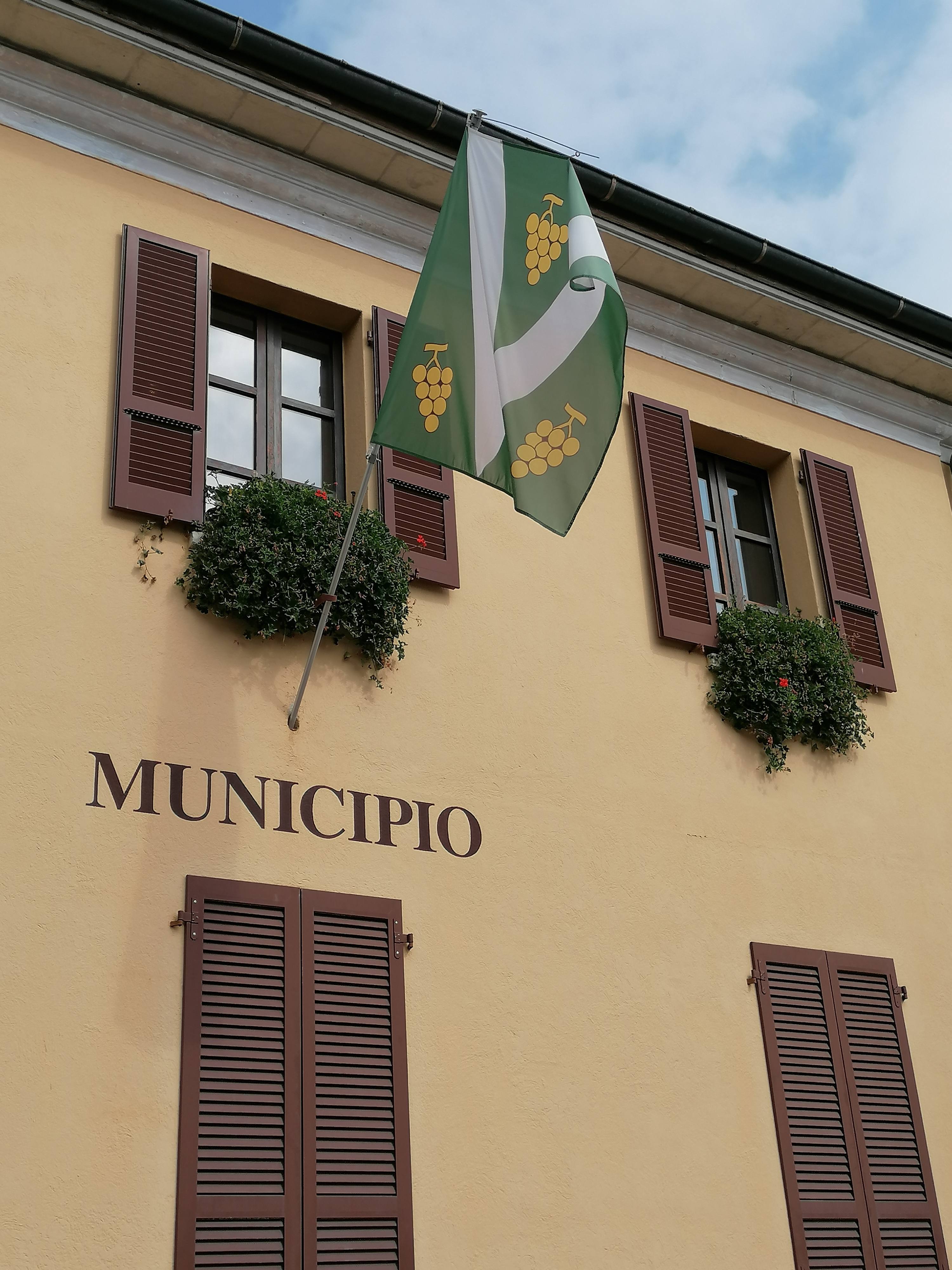
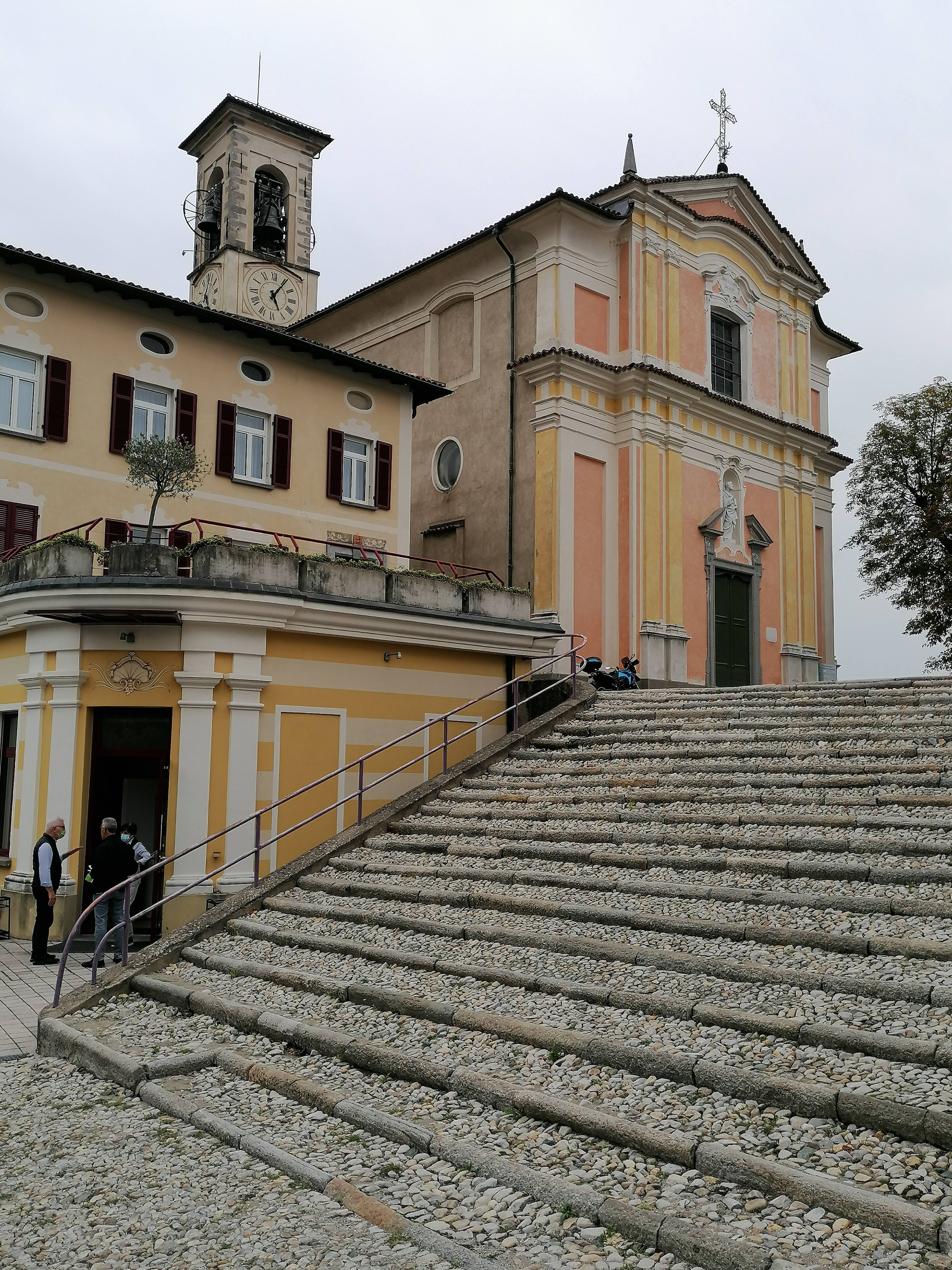
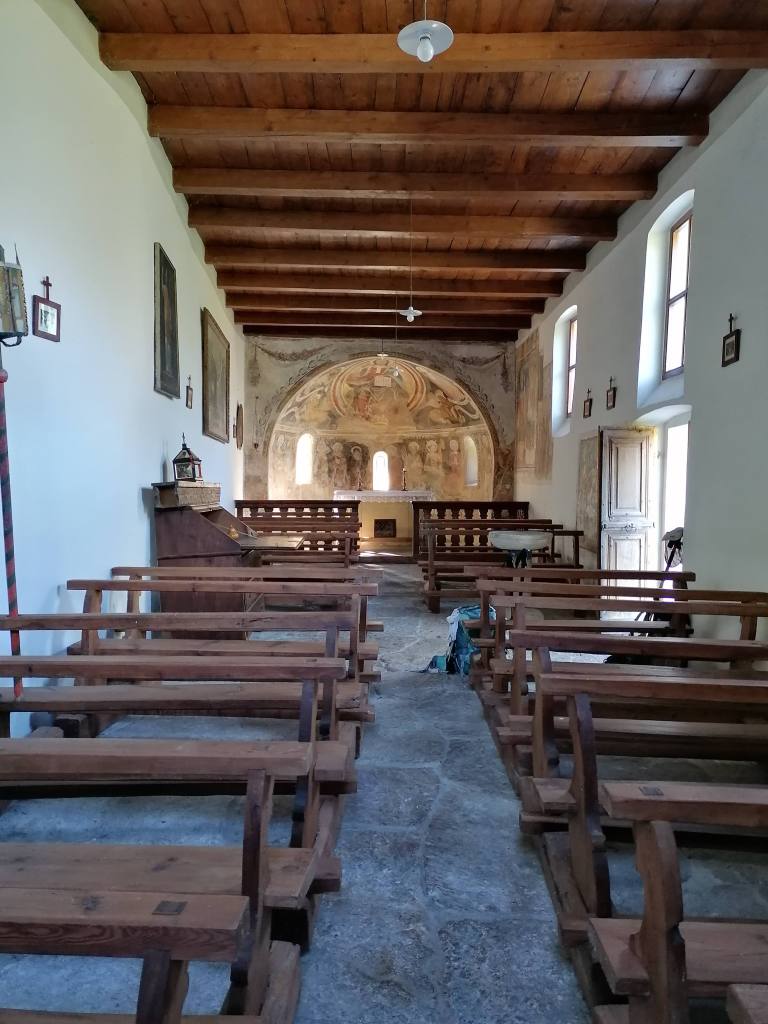
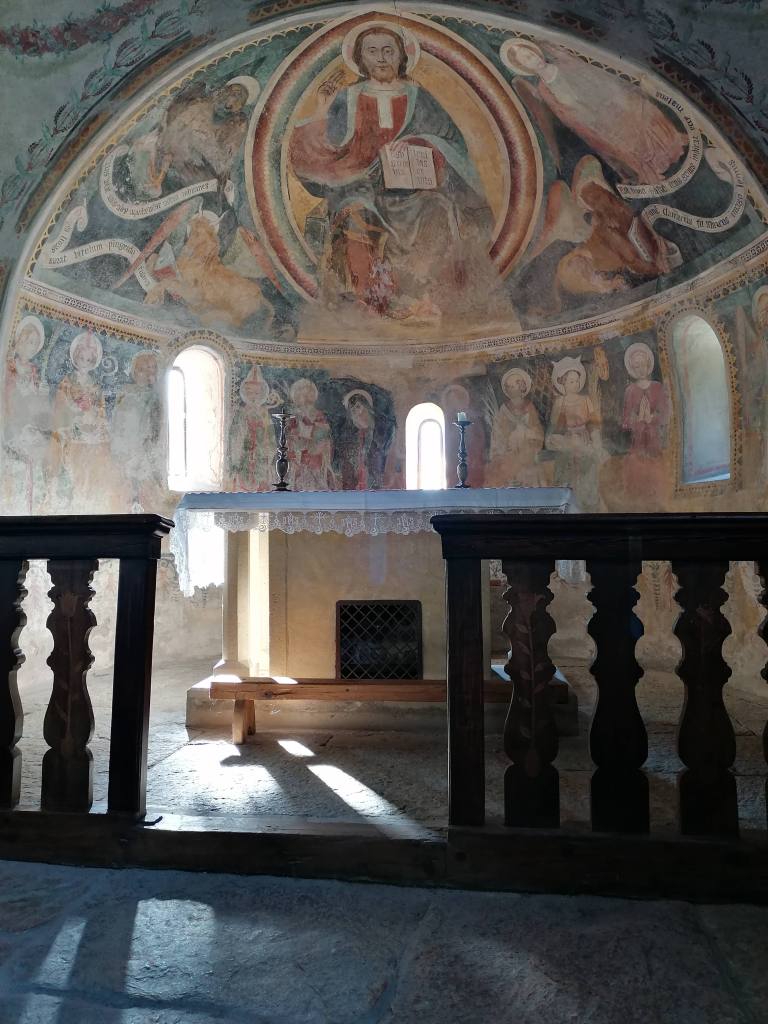
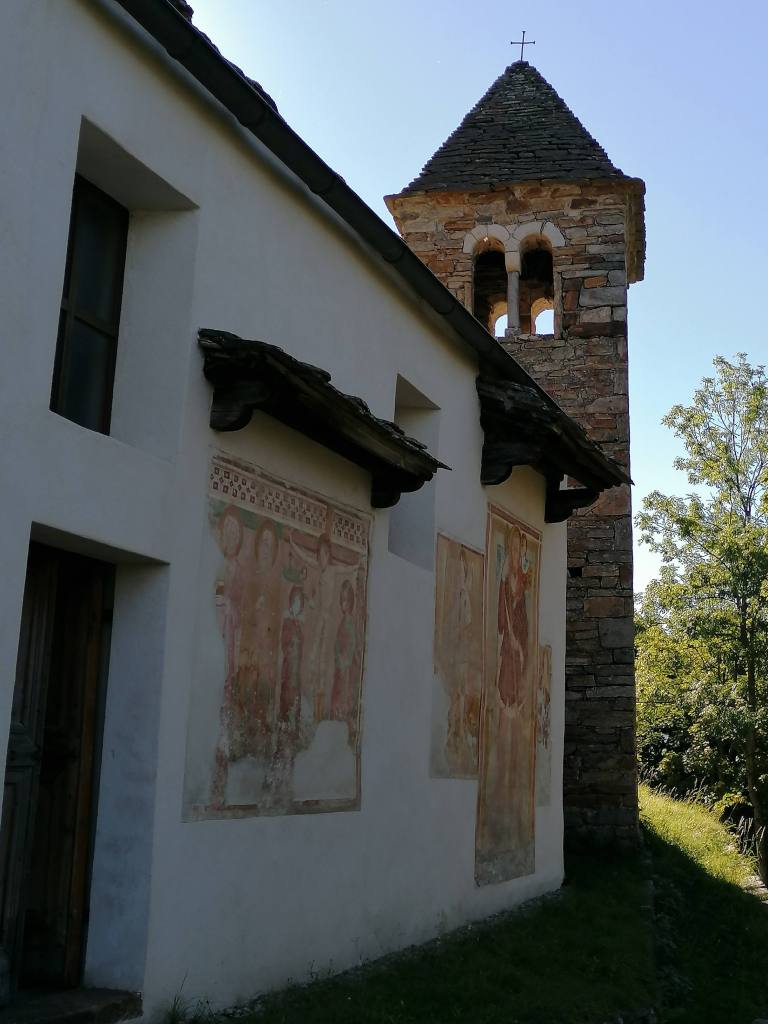
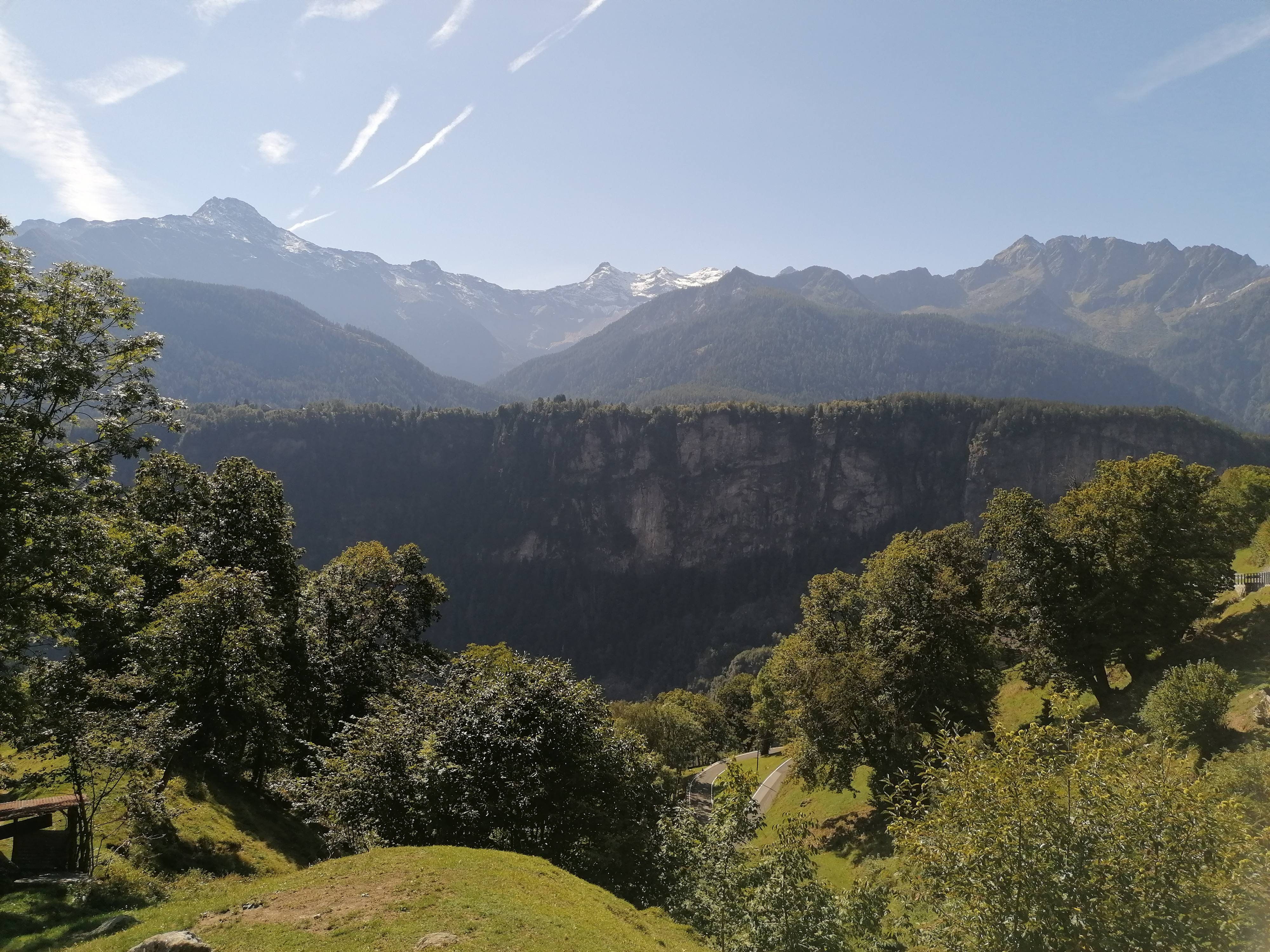
The day started well with the visit of the beautiful oratory of Sant’ Ambrogio on the outskirts of the hamlet of Cavagnago. The mountain road circles around it nowadays. The different parts of the building date back to the 13th and 15th centuries. Restorations took place in 1931 and 2003-04.

La journée a bien commencé avec la visite de l’oratoire Sant’Ambrogio un peu avant d’arriver au hameau de Cavagnago. La route de montagne en lacets encercle cette petite église. Les différentes parties datent des XIIIe et XVe siècles. Des restaurations ont eu lieu en 1931 et 2003/04.

_________

The end of this stage is supposed to be at Biasca but after the steep drop to Pollegio, we found ourselves in a very flat and busy area. The next day from Biasca to Bellinzona did not appeal to us as it is completely flat and is too close to the freeway for our taste.

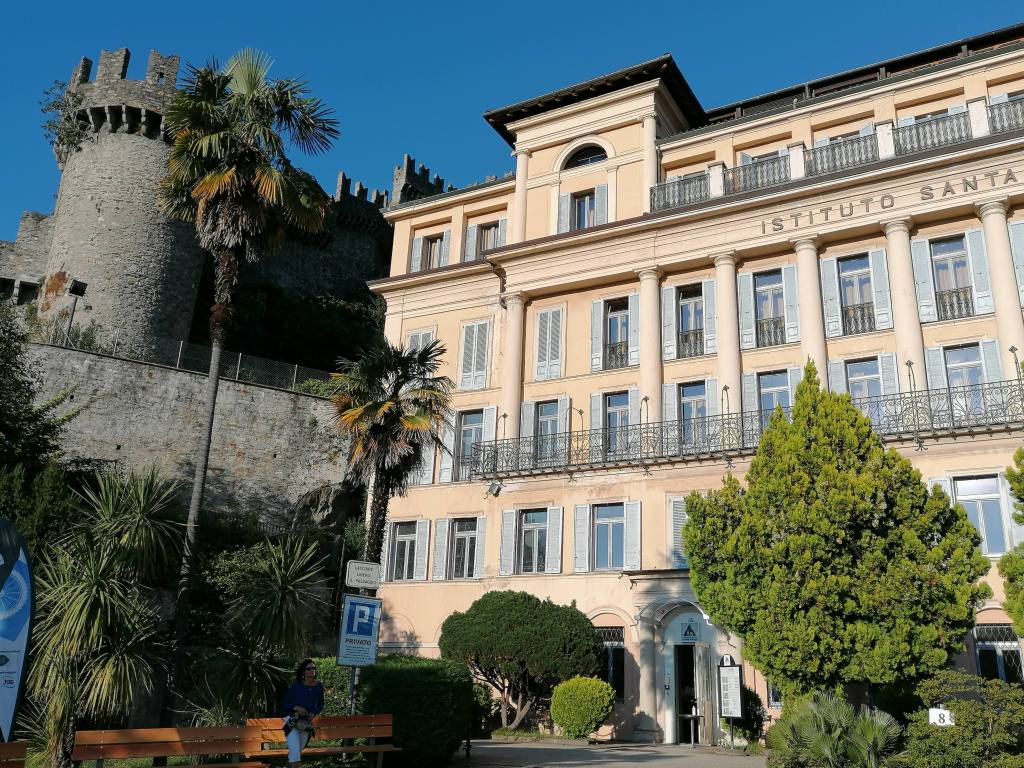
So, we took the train straight to Bellinzona and stayed at the youth hostel in a magnificent old building at the foot of Castello Montebello, one of the impressive fortress which is classed as a World Heritage site. The building started as the post office before becoming a private school and boarding school for girls until the early 1990s. These days primary and secondary school pupils enter and leave the building alongside the guests.

La fin de cette étape nous amène à Biasca mais après la descente raide vers Pollegio, à quelques kilomètres, nous nous sommes retrouvés en terrain plat et densifié. Le jour suivant, de Biasca à Bellinzone ne nous attirait pas car il suit le cours de la rivière Ticino et reste proche de l’autoroute.

Nous avons donc pris le bus puis le train pour Bellinzone. L’auberge de jeunesse se trouve dans un bel édifice au pied du château Montebello, l’un des trois qui forment l’impressionnante forteresse inscrite au Patrimoine mondial.
Ce bâtiment a d’abord servi de poste avant de devenir une école et internat pour filles jusqu’au début des années 90. Des classes primaires et secondaires partagent maintenant les lieux avec les hôtes de l’auberge.

The church on the hill

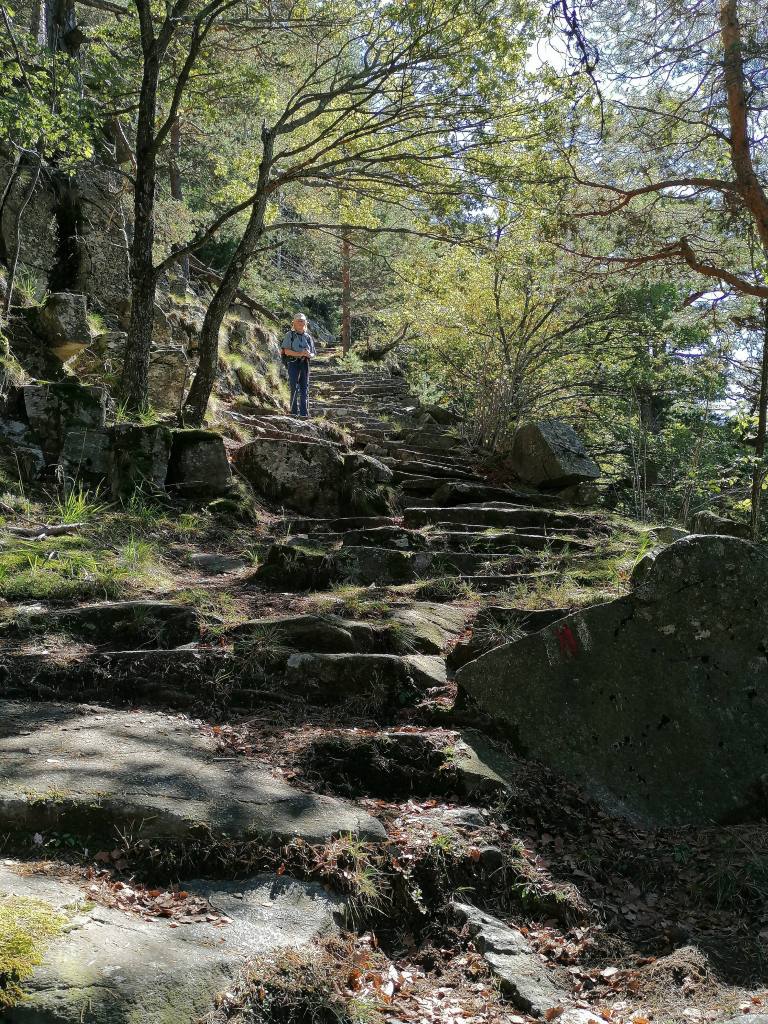
We took the train and postal bus back to where we had left the Strada Alta one year ago. We got there in the early afternoon and had plenty of time, walking through hamlets, past waterfalls and chestnut trees, to reach the little village of Anzonico and settle in the local osteria for the night.

L’église sur la colline

Nous avons pris le train et le bus postal pour retourner à Osco, sur la Strada Alta, que nous avions quitté il y a un an.. Nous y sommes arrivés en début d’après-midi, largement assez tôt pour arriver à Anzonico où nous nous sommes installés à l’osteria pour la nuit.

Olten to Zofingen

Still walking the odd leg of different long paths, we walked to Zofingen on a fairly overcast day.  Zofingen is a small town of 10,000+ inhabitants and many buildings considered of national interest.  More surprisingly, perhaps, is the shop of the World Champion of Pâtisserie 2003!  Unfortunately for us, it was closed on the day we were in town but we will make sure  to eat something there on our next trip.

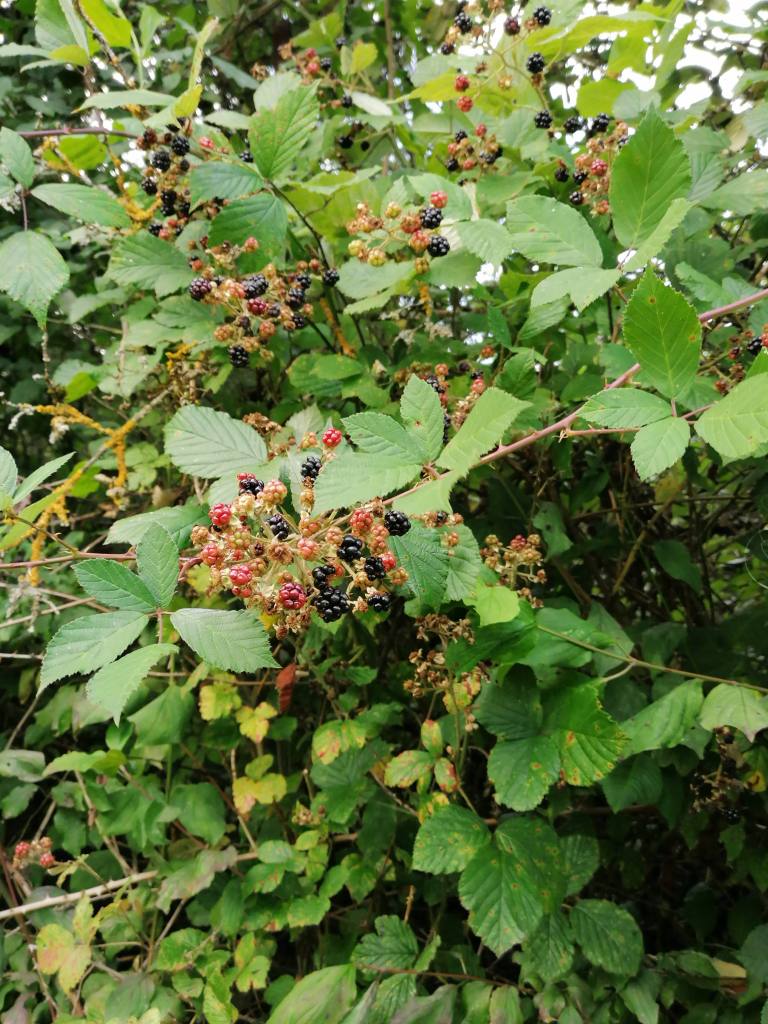
We took a train back but stopped off at Aarburg and its massive fortress, which we had seen whenever we were travelling towards Zurich or Basel. The town itself was nothing special and we climbed up the hill on the other side of the river for views of the castle and made our way back to Olten.  Along the path, we stopped to pick wild blackberries.

D’Olten à Zofingue

Nous continuons de marcher quelques étapes des sentiers de longue randonnée et nous sommes allés d’Olten à Zofingue. Cette petite ville argovienne a un peu plus de 10’000 habitants et une bonne dizaine de bâtiments inscrits sur la liste du patrimoine suisse. Plus surprenant, le champion du monde de pâtisserie 2003 y a ouvert une boutique.  Malheureusement pour nous, c’était jour de fermeture mais nous y reviendrons goûter quelque chose.

Nous avons pris un train de retour mais nous sommes arrêtés à Aarburg dont nous avions vu la forteresse depuis le train ou l’autoroute, en route pour Zurich ou Bâle. La ville n’a rien de particulier et nous sommes remontés sur l’aitre rive pour une meilleure vue.  Retour à Olten par un sentier bordé de mûriers que nous avons beaucoup appréciés.

Above the clouds

The stratus was staying stubbornly at about 800m, so we took the bus to go up on the Jura mountains. 35 minutes later, we were starting our short hike to the Röti and, at only 1395m, were rewarded with 360° views, well above the sea of fog.

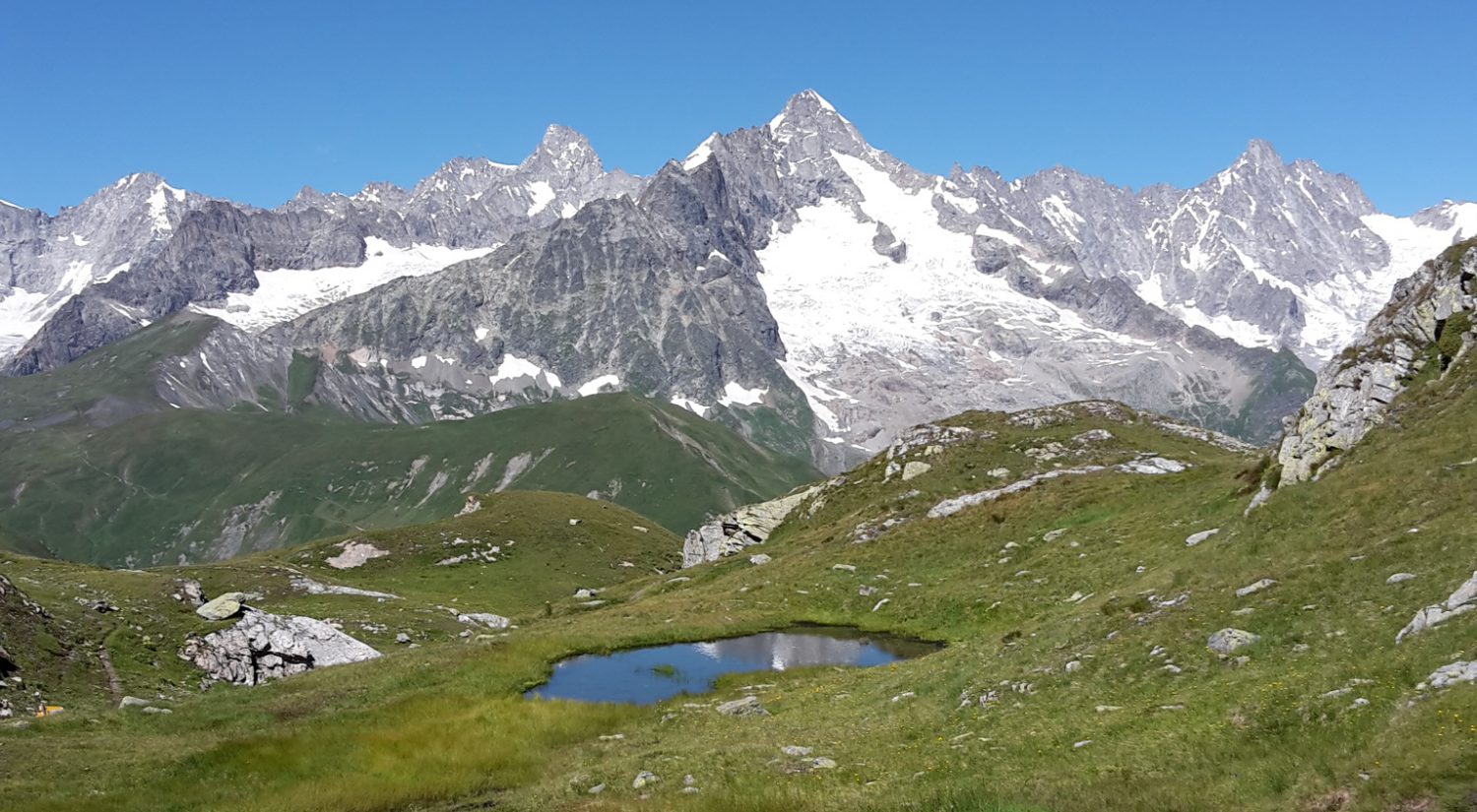
The Alps were clearly visible, as was the whole Jura mountain chain we had hiked through in the summer. It was much warmer than under the clouds, mild enough to picnic in shirt-sleeves and soak up the sun. We will be going back up regularly in the winter.

Au-dessus des nuages

Les stratus sont coincés à environ 800m d’altitude; nous avons donc pris le bus pour monter sur le Jura. 35 minutes plus tard, nous commencions notre montée vers le Röti. La récompense à 1395m : une vue à 360° au-dessus de la mer de brouillard.

Les Alpes étaient bien visibles ainsi que toute la chaîne du Jura que nous avions parcourue cet été. Il faisait beaucoup plus chaud qu’en ville et nous avons pique-niqué au soleil, sans veste. Nous y retournerons régulièrement durant l’hiver.

Trans Swiss Trail, stage 1

The Trans-Swiss Trail nr 2 goes from Porrentruy, in the Jura, to Mendrisio in Ticino, passing through Neuchâtel, Berne and the Emmental. It shares some paths with the Via Gottardo, notably the valleys leading to and from the Gotthard.

Porrentruy surprised us: instead of a big village, we discovered a small town of 6,600 inhabitants with a definitely French feel to it. The stage goes through many woods and ends at the pretty but very touristic small town of St-Ursanne on the Doubs river. Unfortunately, the whole day was overcast.

Le Trans Swiss Trail N° 2 relie Porrentruy, dans le canton du Jura, à Mendrisio, au Tessin. Il passe par les villes de Neuchâtel et Berne et traverse l’Emmental. Il partage quelques étapes avec la Via Gottardo, notamment les vallées amenant et quittant le Gothard.

Porrentruy nous a surpris, nous attendions un gros village et avons trouvé une petite ville de 6’600 habitants avec un petit air français. L’ étape nous fait passer par des bois et finit dans la jolie mais très touristique petite ville de St-Ursanne, sur le Doubs. Malheureusement, le ciel était couvert du début à la fin.

Across Baselland

After one week of rain, we were promised a couple of sunny, mild days, so we hopped on a train to Liestal to walk stage 2 of the Via Gottardo.

Liestal is the capital of the half canton of Basel Land (as opposed to Basel Stadt).
The walk then took us along train lines and a viaduct before going up on the Jura hills. We collected walnuts along the way.

A travers Bâle-Campagne

Après une semaine de pluie, Météo Suisse nous annonçait deux journées douces et ensoleillées. Nous avons donc pris le train pour Liestal, début de la deuxième étape de la Via Gottardo et capitale du demi-canton de Bâle-Campagne.

Le sentier court le long des rails, anciens viaducts pour nous faire monter sur un plateau ondulé du Jura. Nous avons fait une jolie récoltes de noix au long des petits chemins.