One of our daughters is a school teacher in Geneva and she had booked a few days of her February holidays in Valencia. She invited Jenny to go along.
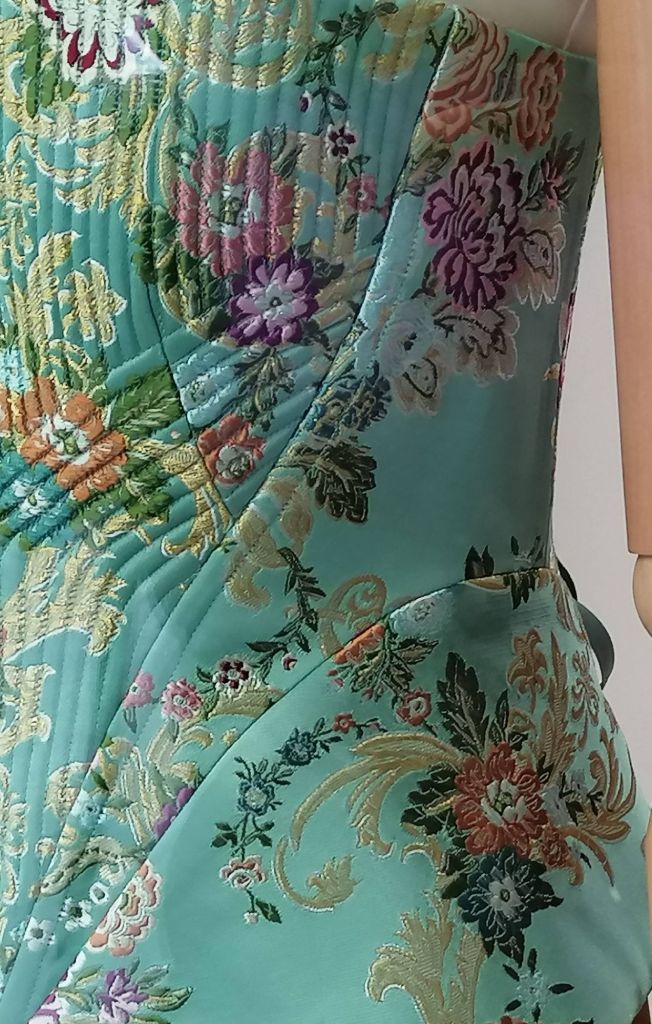
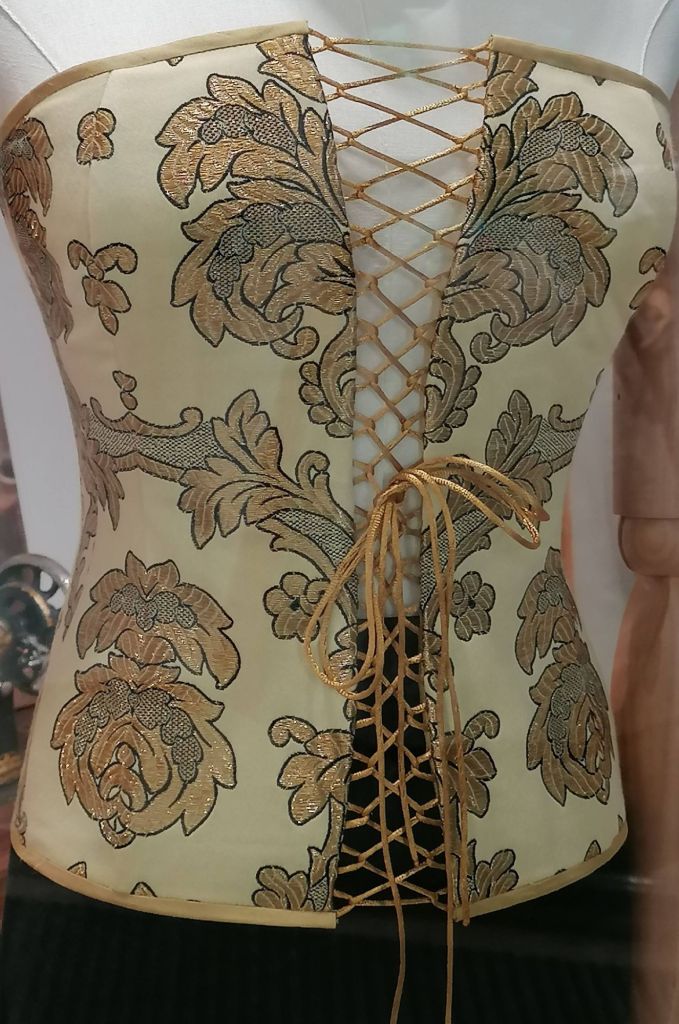
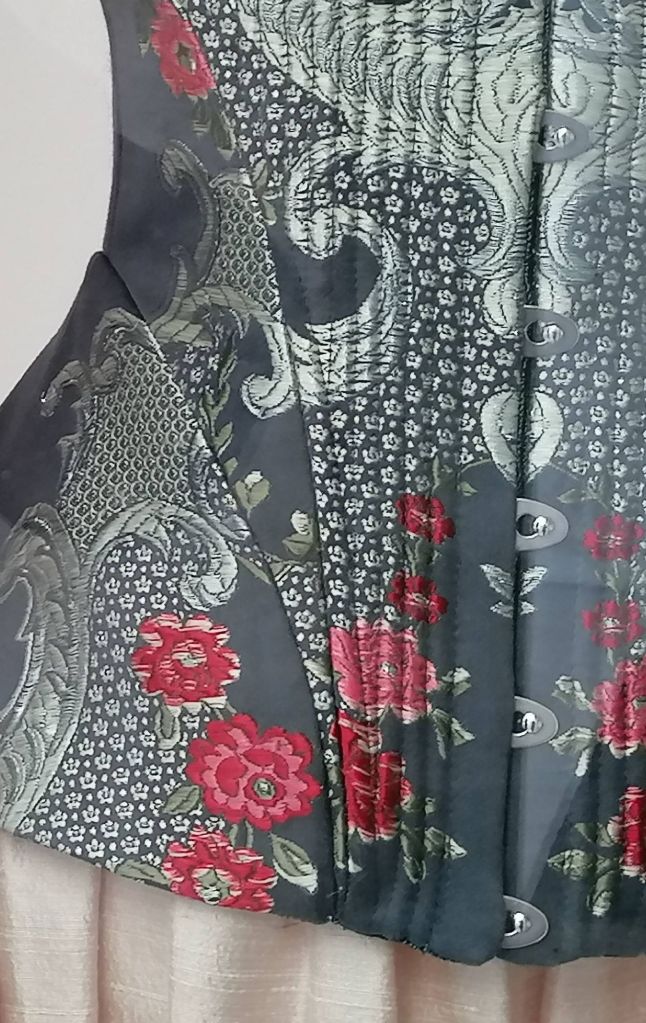
The locals were starting to get ready for the upcoming Fallas festivities (1-19 March) and long queues were forming in front of fabrics shops, for measurements for dresses and trials of ready-made vests for gentlemen of all ages. Lights were being installed in many streets.
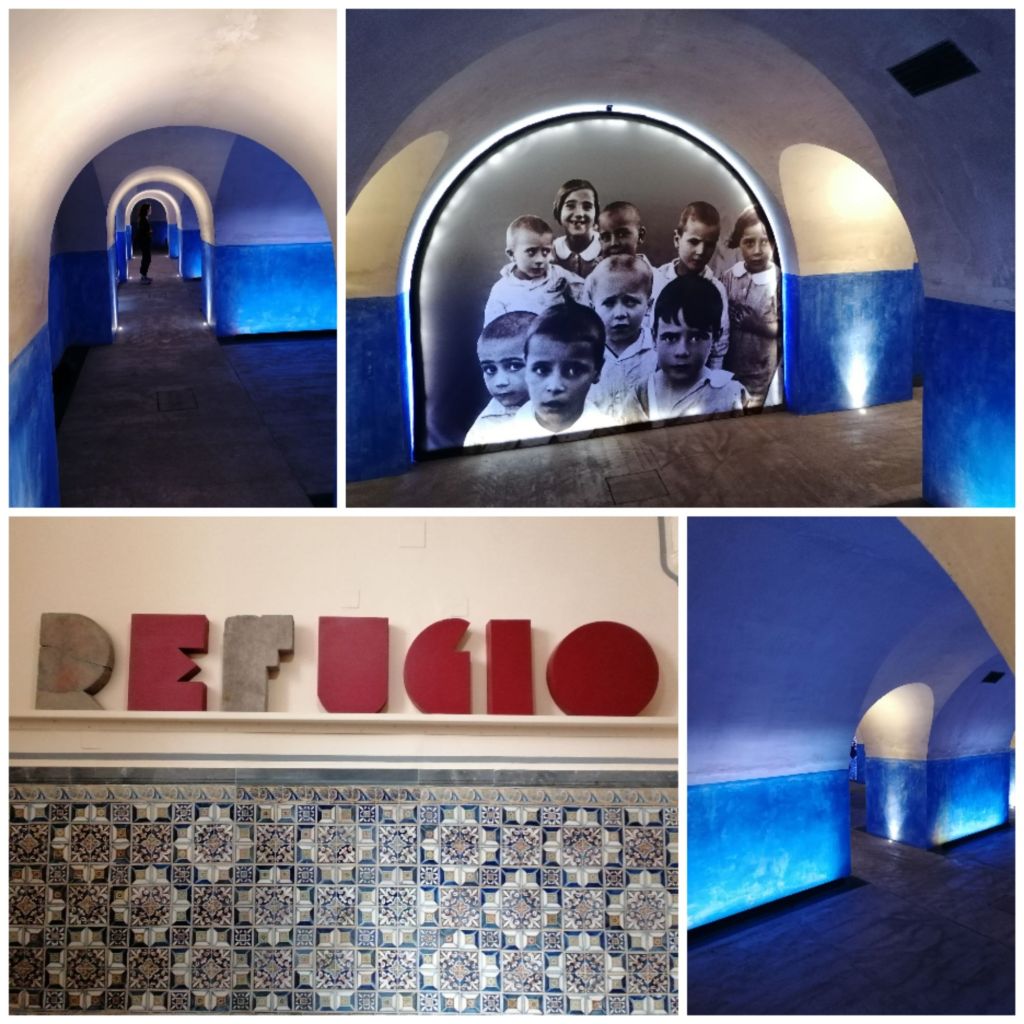
We also visited one of the surviving bunkers of the Spanish Civil War: there used to be a school above ground and an architect designed it into “classrooms”, it could shelter 750 children. Films of the period were shown. Schoolkids were visiting too.
A very pleasant stay of good food, strolls and cultural visits.
Séjour mère-fille à Valence
L’une de nos filles est institutrice à Genève et elle avait réservé quelques jours de ses vacances de février à Valence. Elle a invité Jenny à l’accompagner.
Les habitants commençaient à se préparer pour les prochaines festivités des Fallas (du 1er au 19 mars) et de longues files d’attente se formaient devant les boutiques de tissus, pour les mesures des robes et les essais de gilets prêts à l’emploi pour messieurs de tous âges. Des lumières étaient installées dans de nombreuses rues.
Nous avons également visité l’un des bunkers survivants de la guerre civile espagnole : il y avait autrefois une école en surface et un architecte l’a conçue en « salles de classe », elle pouvait accueillir 750 enfants. On pouvait voir des films sur cette période.
Un séjour très agréable avec de bons repas, promenades et visites culturelles.
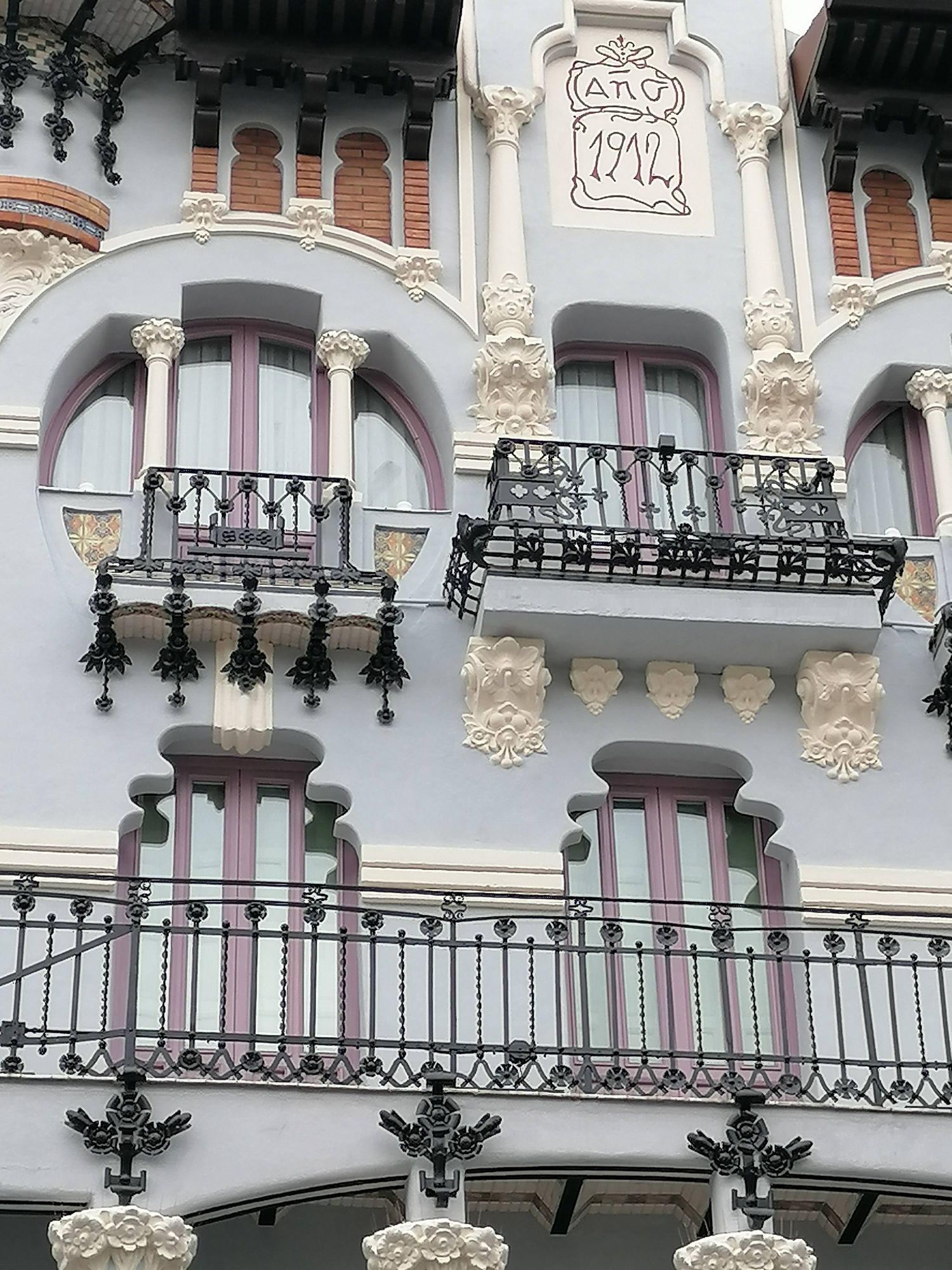
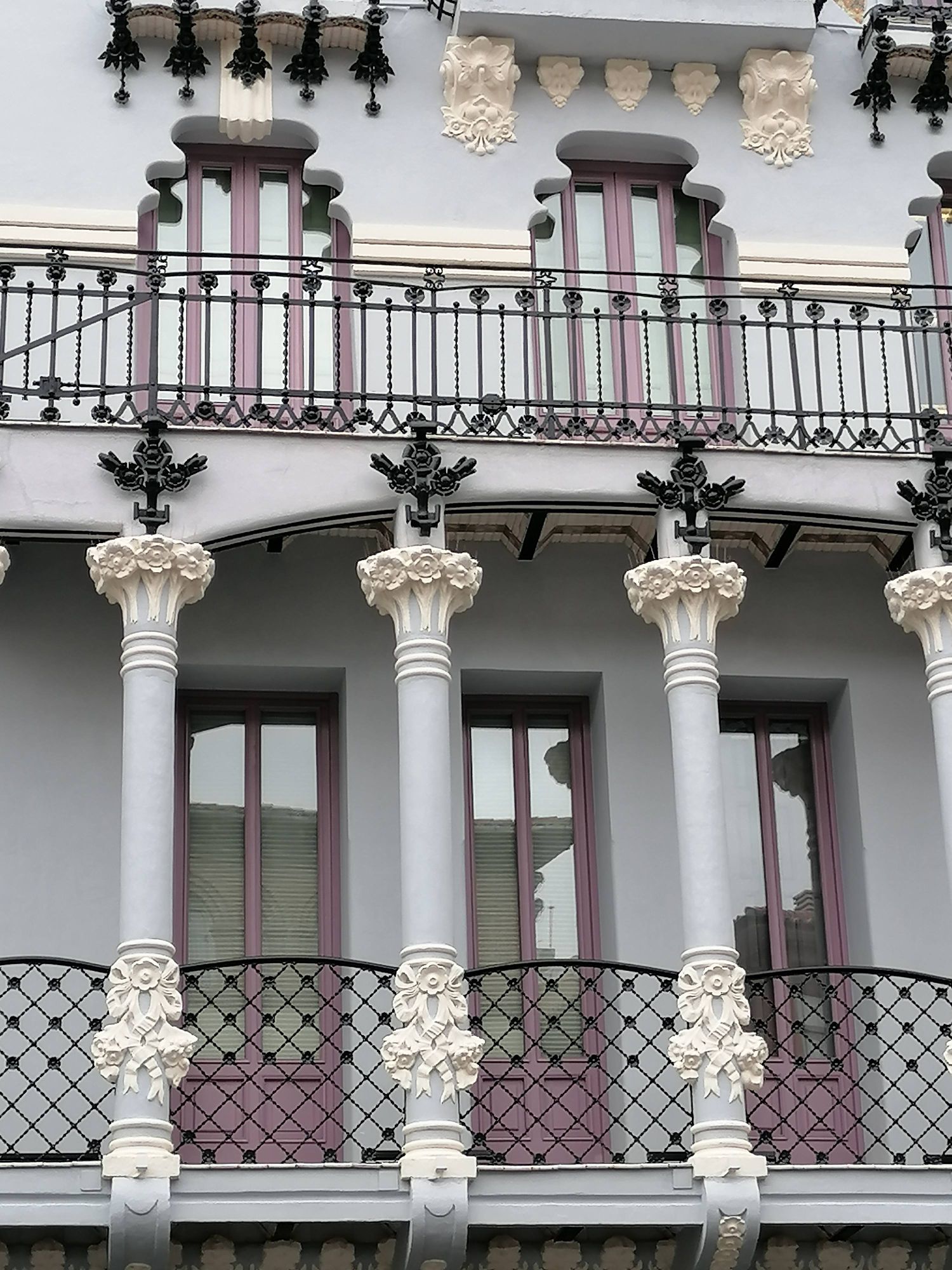
A mere 15 km inland from Tarragona is the town of Reus, known for its modernist architecture, where famous Catalan architects, including Domènech i Montaner erected many buildings. Although Reus is Antoní Gaudi ‘s birth place, and there is now an interactive museum dedicated to him, he did not design a single building in the town.
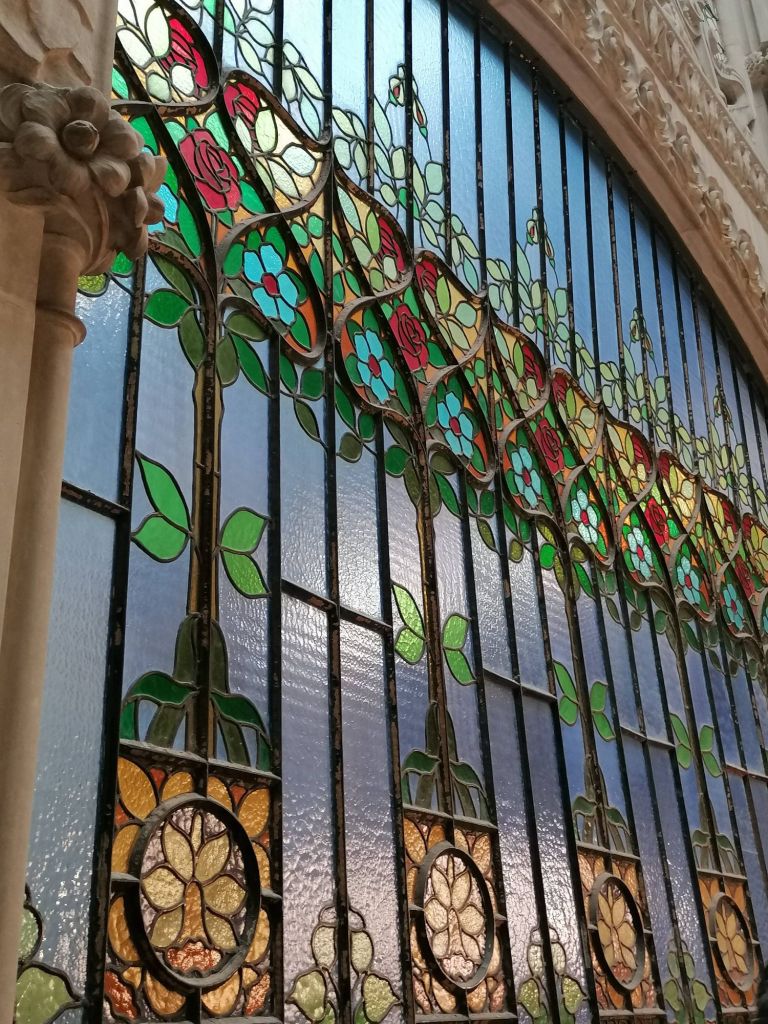
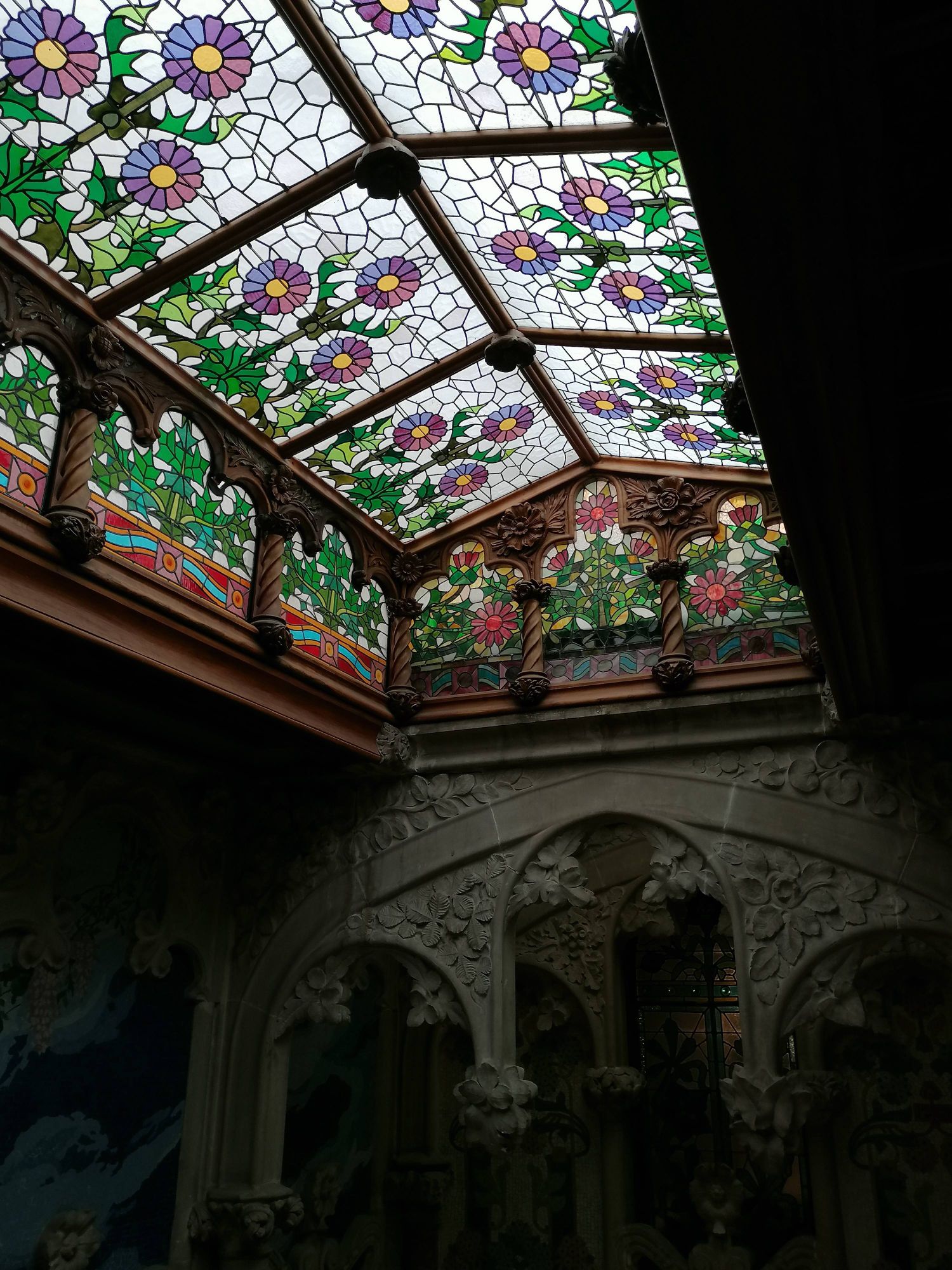
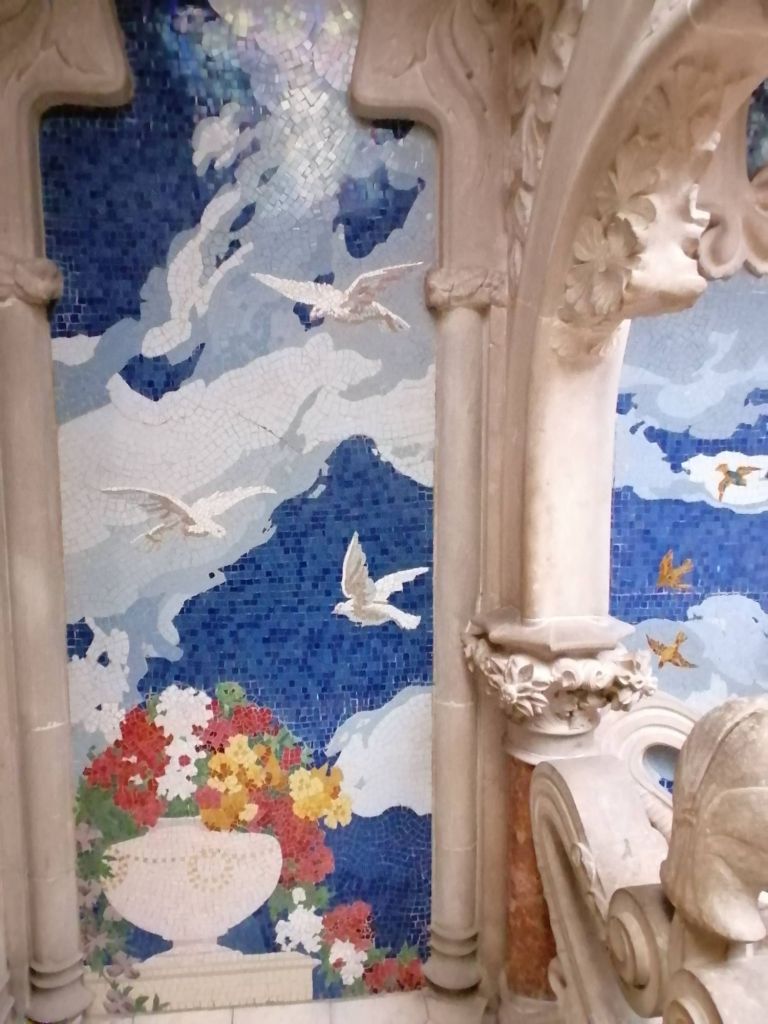
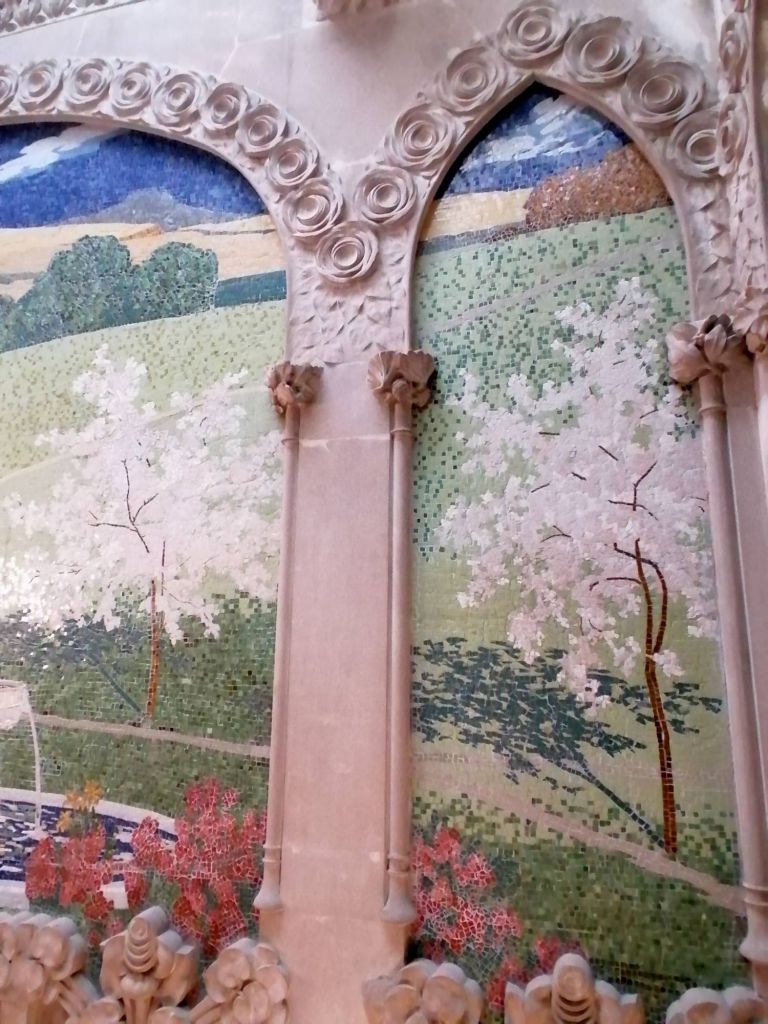
Casa Navàs was commissioned to Mr Domènech i Montaner by a local rich merchant. It was built between 1901 and 1908 and the best artists and tradesmen of the time took part in the construction. The building has remained in its original state, including furniture, ceramics and lights, so it gives the visitor a glimpse of a wealthy family’s interior. There was a tower on the façade but it was destroyed during the Civil War and never rebuilt.
Another interesting place and stop along the way.
Reus et Casa Navàs
À seulement 15 km à l’ouest de Tarragone se trouve la ville de Reus, connue pour son architecture moderniste, où de célèbres architectes catalans, dont Domènech i Montaner, ont érigé de nombreux bâtiments. Bien que Reus soit le lieu de naissance d’Antoní Gaudí et qu’un musée interactif lui soit désormais dédié, il n’a conçu aucun bâtiment dans la ville.
La Casa Navàs a été commandée à M. Domènech i Montaner par un riche marchand local. Elle a été construite entre 1901 et 1908 et les meilleurs artistes et artisans de l’époque y ont participé. Le bâtiment est resté dans son état d’origine, incluant des meubles, des céramiques et des lampes, offrant ainsi au visiteur un aperçu de l’intérieur d’une famille riche. Il y avait une tour sur la façade, mais elle fut détruite pendant la Guerre d’Espagne et ne fut jamais reconstruite.
Un autre endroit intéressant et une étape en chemin.
We were going to spend about 2 weeks in Granada, putting an end to our time there but Jenny became ill and that stay turned into two months.
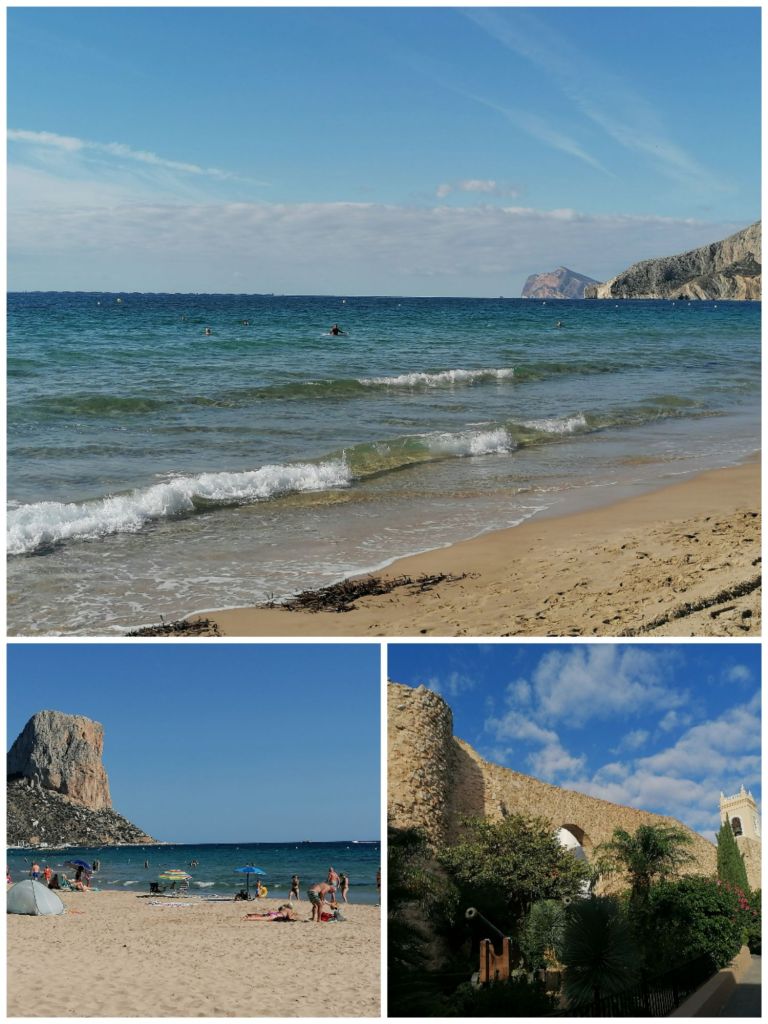
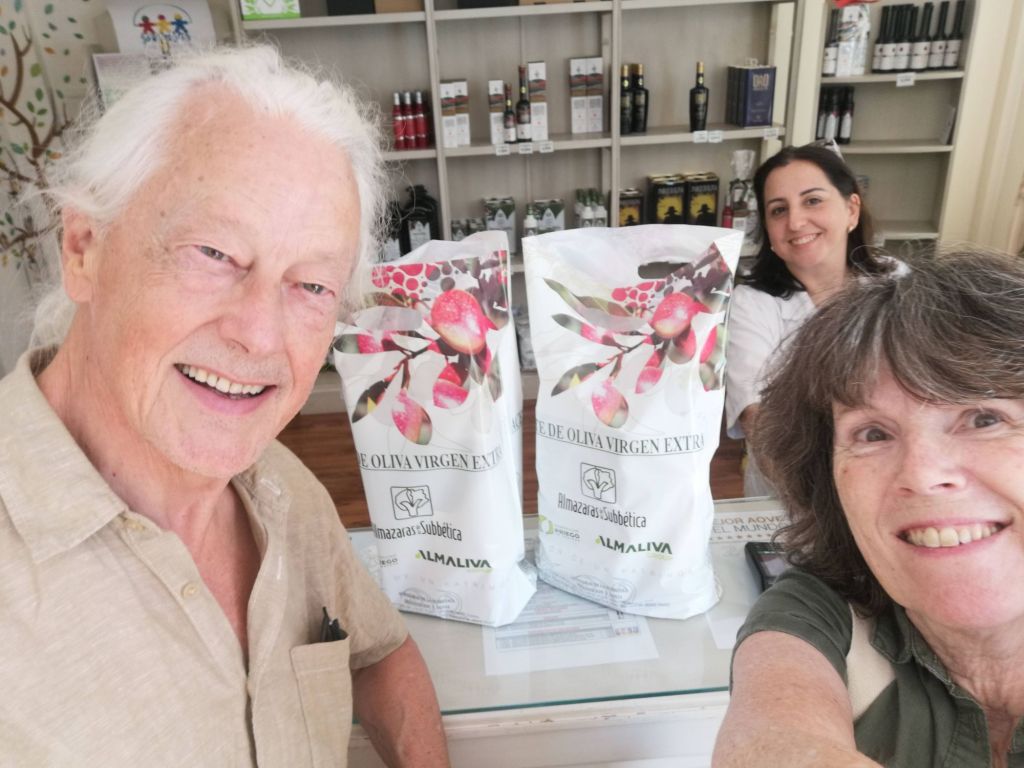
Still we had some fun, with a couple of trips to Calpe, on the Costa Blanca for swims in the lovely late summer, visits to olive oil factories and saying goodbye to friends.
La fin d’un chapitre
Nous devions passer deux semaines à Grenade pour mettre fin à notre aventure mais y sommes finalement restés deux mois pour cause de maladie de Jenny.
Nous avons tout de même passé de bons moments : séjours balnéaires à Calpe sur la Costa Blanca pour profiter de la douceur de fin d’été, achats d’huiles d’olive chez différents producteurs et repas avec des amis (ce n’est qu’un au revoir).
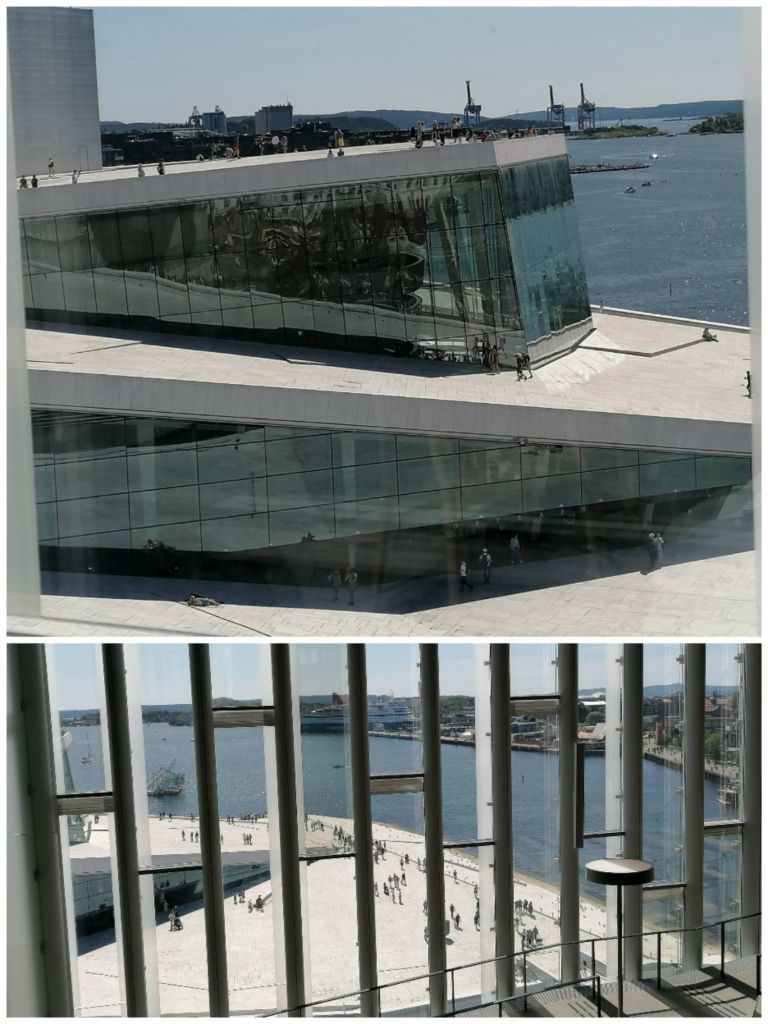
Eight years ago, the opera was the only building in the water. The high-rise buildings along the road, known as the barcode, had an unobstructed view of the bay. There were decks for people to suntan and go for a swim. We knew there were plans to erect several public buildings, such as the Munch museum, the public library. See our post : https://jjonthemove.com/2017/07/14/oslo-re-invented/
We have gone back. The library is wonderful and has many great design touches, in typical Nordic style.
It is situated across from the opera.
We did not particularly like the look of the Munch museum. As there was a major exhibition of Northern Lights in the Beyeler Foundation in Basel, we thought many of his works may not be back on display but we learned that he had donated 26,000 artwork pieces (including his private collections and photographs) to the city : so there is plenty of margin.
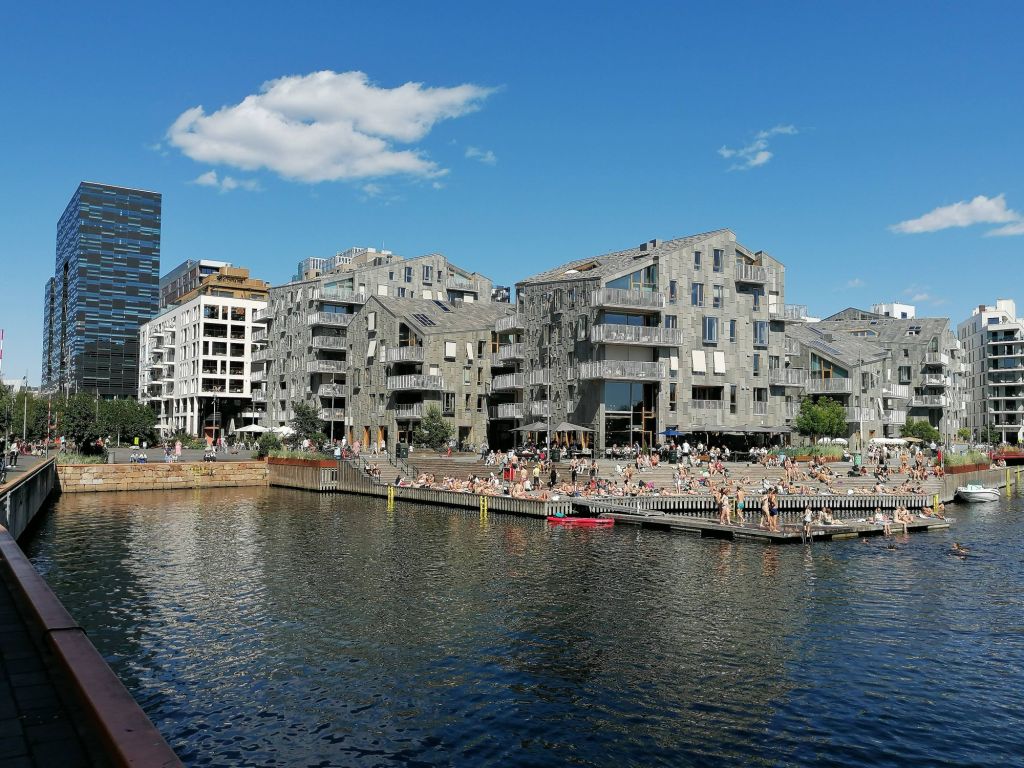
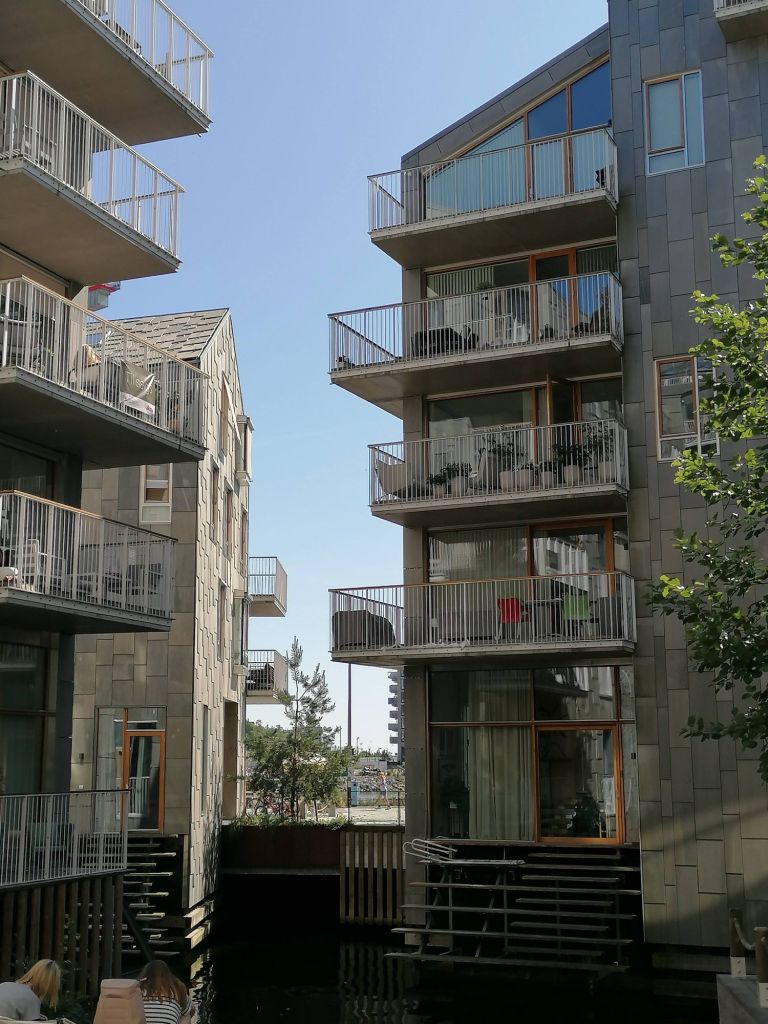
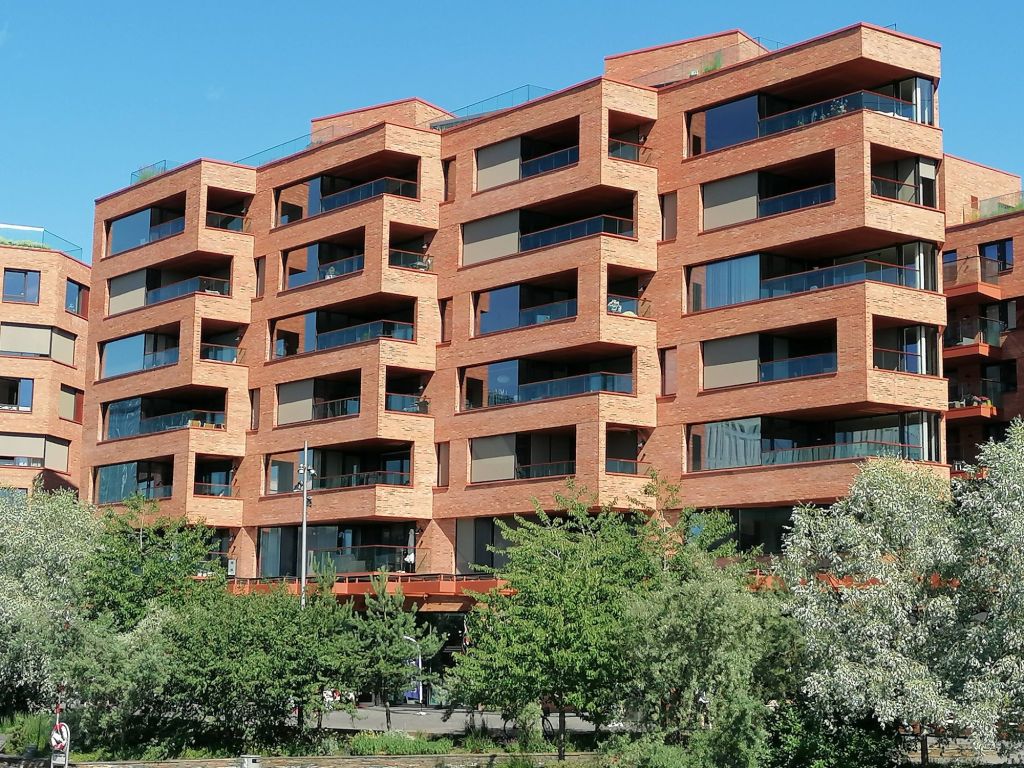
What surprised and shocked us the most though, is how much of the water has been reclaimed and built on. While the new apartment blocks are mostly lower than the barcode, they really obstruct their view now and these high-rises are no longer waterfront properties but are about 6 to 8 blocks behind. The new neighbourhood is highly densified and there are several more projects under way, which will add hundreds more apartments. A beach has been created and seems popular. There are still some docks here and there but the atmosphere is entirely different. We found it was not for us and we were glad to be back to our lovely older part of Oslo.
Oslo réinventé – huit ans plus tard
Il y a huit ans, l’opéra était le seul bâtiment dans l’eau. Les gratte-ciel le long de la route, connus sous le nom de code-barres, avaient une vue imprenable sur la baie. Il y avait des terrasses pour que les gens puissent bronzer et se baigner. Nous savions qu’il était prévu d’ériger plusieurs bâtiments publics, tels que le musée Munch, la bibliothèque municipale. Voir notre article : https://jjonthemove.com/2017/07/14/oslo-re-invented/
Nous y sommes retournés. La bibliothèque est magnifique et a beaucoup de touches design, dans un style typiquement nordique. Il est situé en face de l’opéra. Nous n’avons pas particulièrement aimé l’architecture du musée Munch. Comme il y avait une grande exposition (Lumières nordiques) à la Fondation Beyeler à Bâle, nous pensions que beaucoup de ses œuvres ne seraient peut-être pas à nouveau exposées, mais nous avons appris qu’il avait fait don de 26 000 œuvres d’art (y compris ses collections privées et ses photographies) à la ville : il y a donc beaucoup de marge.
Ce qui nous a le plus surpris et choqué, c’est le nombre de nouvelles constructions sur ce qui était le fjord. Bien que les nouveaux immeubles d’appartements soient pour la plupart plus bas que le code-barres, ils obstruent vraiment leur vue maintenant et ces gratte-ciel ne sont plus des propriétés pieds dans l’eau, mais ont maintenant environ 6 à 8 pâtés de maisons devant eux. Le nouveau quartier est très densifié et plusieurs autres projets sont en cours, ce qui ajoutera des centaines d’appartements supplémentaires. Une plage a été créée et semble populaire. Il y a encore quelques quais ici et là mais l’ambiance est totalement différente. Nous avons découvert que ce n’était pas pour nous et nous étions heureux d’être de retour dans notre charmant vieux quartier d’Oslo.
Taking advantage of the mild and sunny weather this early March, we walked from Langenthal, BE to Murgenthal, AG.
In a hamlet, we saw people working on the renovation of the parish house, in order to rent it out.
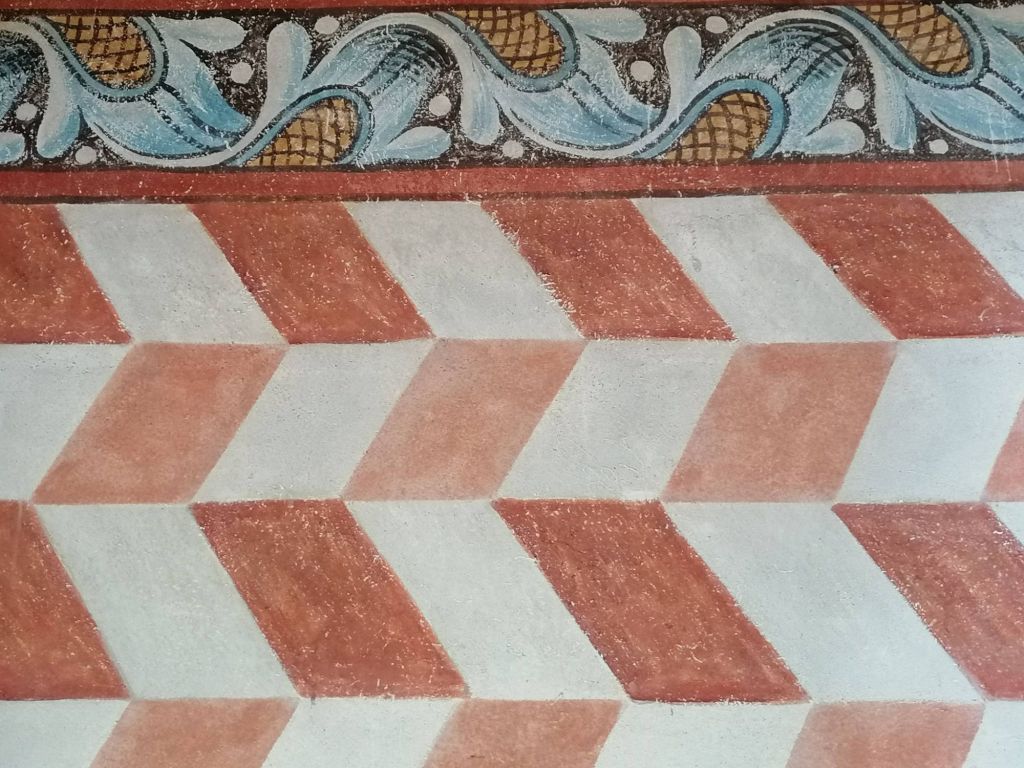
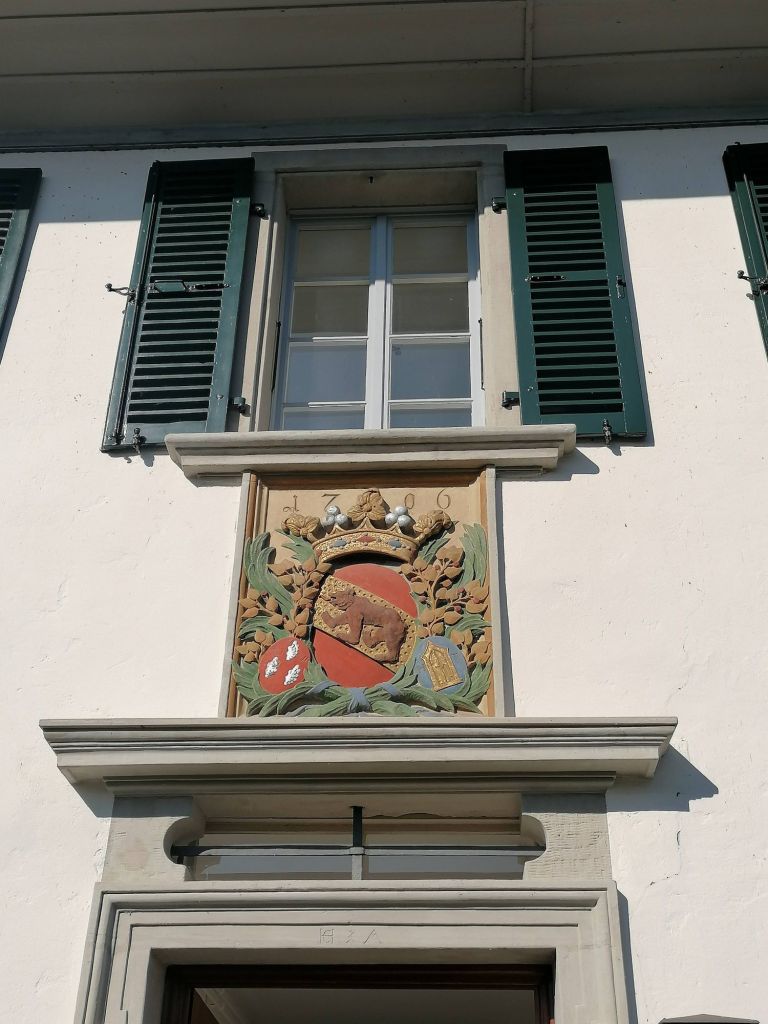
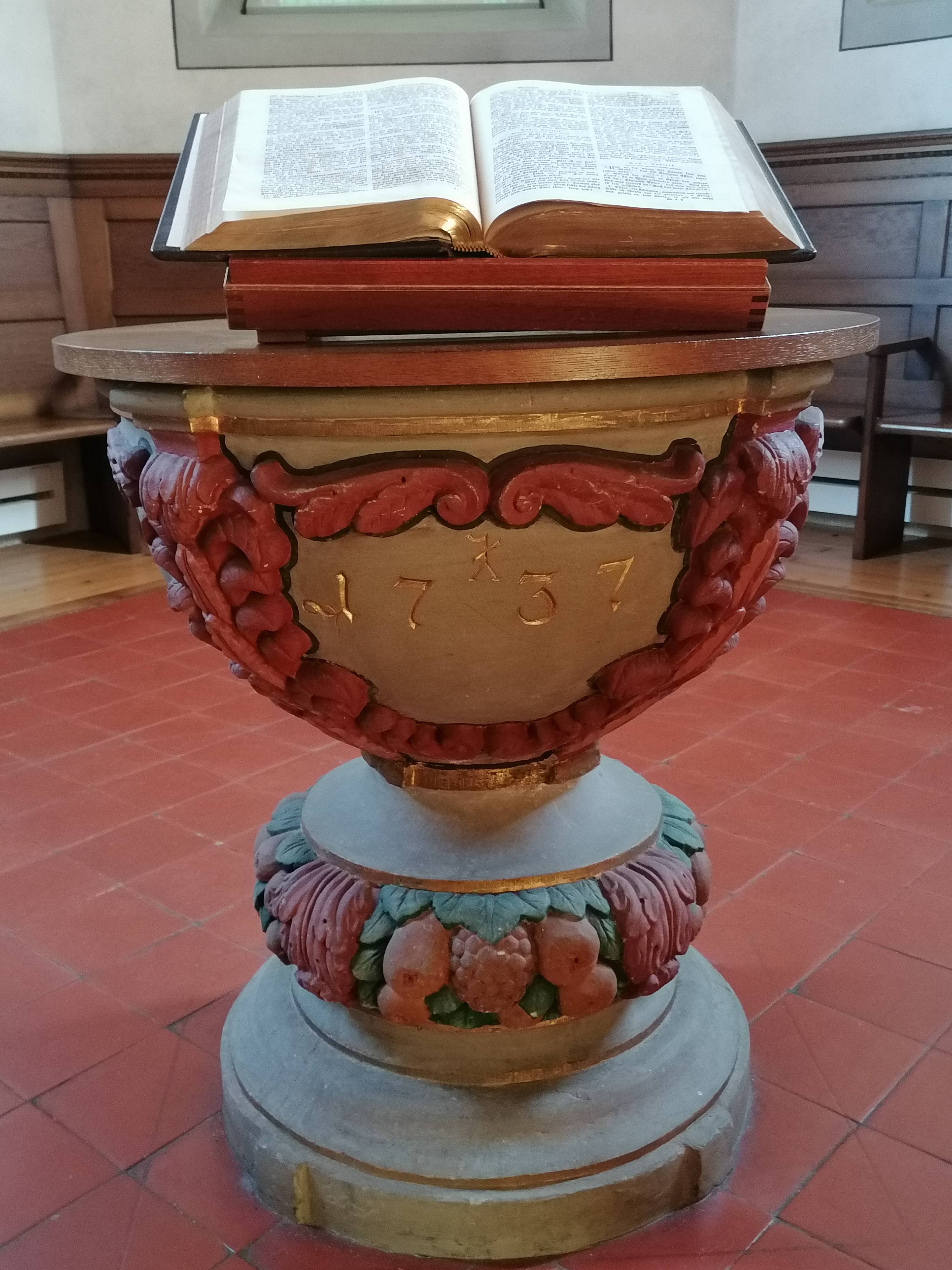
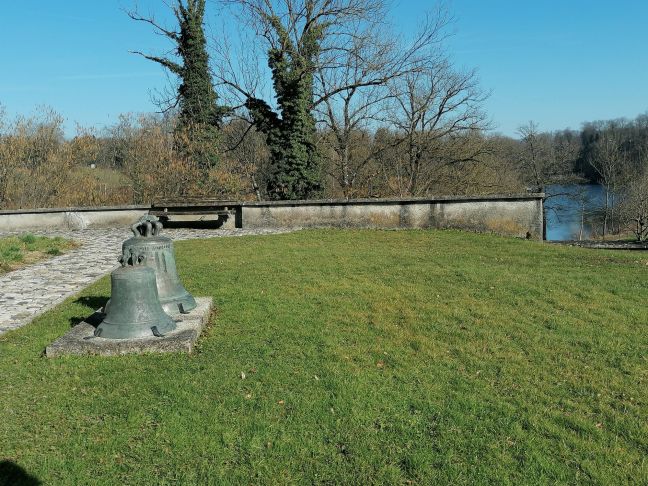
They told us the small church next to it was worth a look as it was quite unusual. It dates back to the 1200s and switched to the Reform in the 15h century. The last renovation took place in 1913-14 – and still looked pretty good. The old church bells were outside on the lawn, bolted to the ground since they were stolen some years ago before being found in a scrap yard.
A lovely surprise on one of our walks.
La vieille église dans le hameau
Profitant du temps doux et ensoleillé de ce début mars, nous avons marché de Langenthal, BE à Murgenthal, AG.
Dans un hameau, nous avons vu des gens travailler à la rénovation de la maison paroissiale, en vue de la louer.
Ils nous ont dit que la petite église voisine valait la peine d’être visitée car elle était assez inhabituelle. Elle date des années 1200 et est passée à la réforme au 15ème siècle. Elle a été rénovée pour la dernière fois en 1913-1914, et elle a encore fière allure. Les anciennes cloches de l’église se trouvaient sur la pelouse, boulonnées au sol depuis qu’elles ont été volées il y a quelques années avant d’être retrouvées dans un parc à ferraille.
This number has had a special significance in Solothurn for a long time.
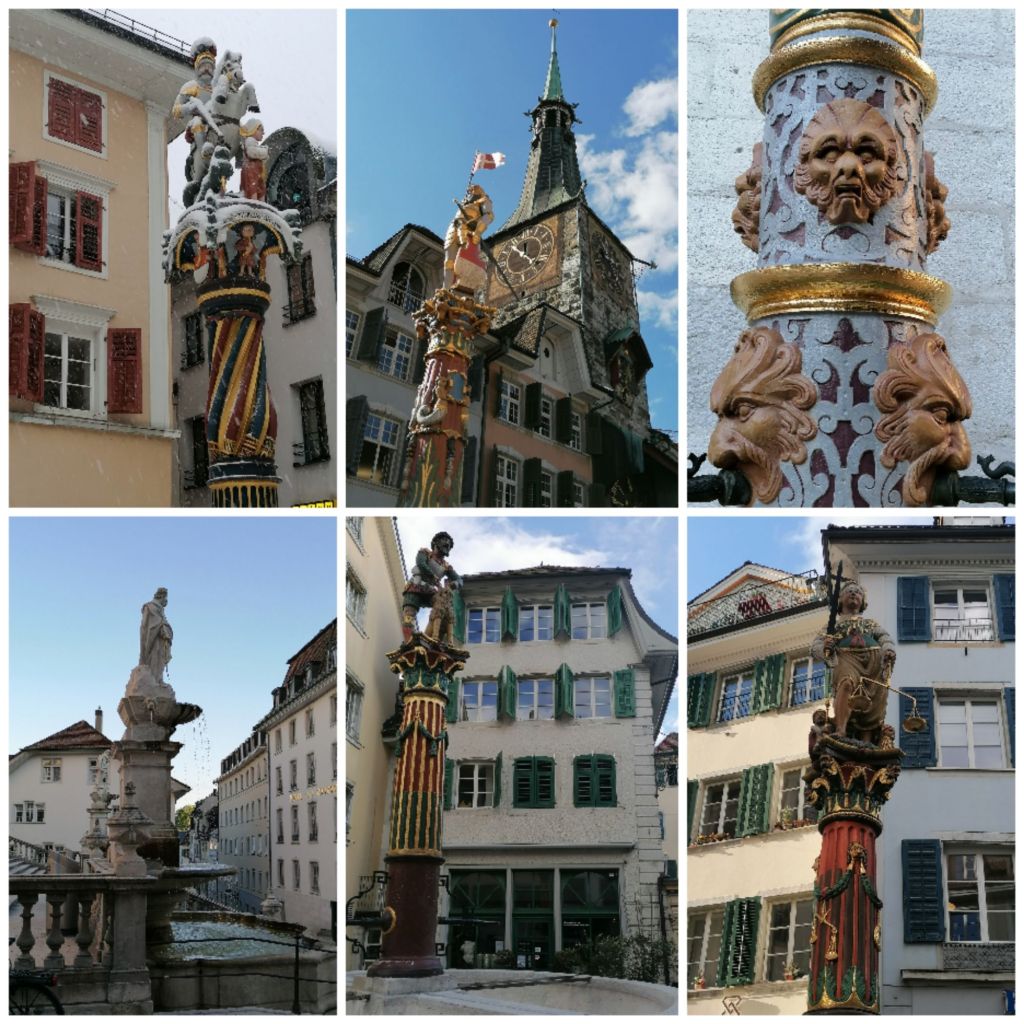
The town is known for its 11 churches and chapels, 11 fountains and 11 towers. It was the 11th canton to join Switzerland. According to the legend, the town’s patron saints – Ursus and Victor – were soldiers in the 11th Theban Legion during the Roman Empire; as Christian converts, the men were beheaded in Salodurum (Solothurn).
In 1762, the architect Gaetano Matteo Pisoni was so fascinated by the “elevenish atmosphere” that he harmonised the church with it. The bell tower measures 6 x 11 metres; the tower contains 11 bells; 11 altars adorn the cathedral, and they can be seen all at once only from a single spot, which is the eleventh black stone at the main entrance. The prayer benches are arranged in rows of eleven. The monumental staircase consists of 3 x 11 stairs (which make for great jumps when there is snow). The construction period was 11 years (1762 – 1773).
Just outside the old town’s gate of Bieltor, there is an 11-hour clock, a nod to the city’s favourite number. Finally, the town’s brewery is called Öufi, which is 11 in the local dialect.
Ce chiffre a depuis longtemps une signification particulière à Soleure.
La ville est connue pour ses 11 églises et chapelles, ses 11 fontaines et ses 11 tours. Elle a été le 11e canton à rejoindre la Suisse. Selon la légende, les saints patrons de la ville – Ursus et Victor – étaient des soldats de la 11e légion thébaine sous l’Empire romain ; convertis au christianisme, ils furent décapités à Salodurum (Soleure).
En 1762, l’architecte Gaetano Matteo Pisoni fut tellement fasciné par l’« atmosphère onzième » qu’il harmonisa l’église avec elle. Le clocher mesure 6 x 11 mètres ; la tour contient 11 cloches ; 11 autels ornent la cathédrale, et on ne peut les voir tous en même temps que d’un seul point, à savoir la onzième pierre noire de l’entrée principale. Les bancs de prière sont disposés en rangées de onze. L’escalier monumental est composé de 3 x 11 marches (de beaux tremplins quand il y a de la neige). Le nombre de tuyaux du grand orgue peut être divisé par 11. La construction a duré 11 ans (1762 – 1773).
Juste en dehors de la porte de Bienne, il y a une horloge de 11 heures, un clin d’oeil à ce chiffre. Enfin, la brasserie de la ville s’appelle Öufi, c’est-à-dire 11 dans le dialecte local.
Teruel is a small city in Aragón and regarded as “the town of Mudéjar architecture” due to the numerous buildings designed in this style. It was “a type of ornamentation and decoration used in the Iberian Christian kingdoms, primarily between the 13th and 16th centuries. It was applied to Romanesque, Gothic and Renaissance architectural styles as constructive, ornamental and decorative motifs derived from those that had been brought to or developed in Al-Andalus.” (Wikipedia)
Situated at an altitude of 915 m, Teruel has a harsh climate, but is not quite as isolated as it once was: Valencia is a 1h30 drive away on the freeway. Its cured ham is quite renowned.
The day we were there was overcast, due to the tail end of a storm that battered the north of Spain.
Style Mudéjar à Teruel
Teruel est une petite ville d’Aragon considérée comme “la ville de l’architecture mudéjare” en raison des nombreux bâtiments conçus dans ce style. Il s’agit “d’un type d’ornementation et de décoration utilisé dans les royaumes chrétiens ibériques, principalement entre le XIIIe et le XVIe siècle. Il a été appliqué aux styles architecturaux roman, gothique et de la Renaissance en tant que motifs constructifs, ornementaux et décoratifs dérivés de ceux qui avaient été apportés ou développés en Al-Andalus”. (Wikipedia)
Située à 915 m d’altitude, Teruel a un climat rude, mais n’est plus aussi isolée qu’autrefois : Valence est à 1h30 d’autoroute. Son jambon cru est très réputé.
Le jour de notre visite, le ciel était couvert, en raison de la fin d’une tempête qui s’est abattue sur le nord de l’Espagne.
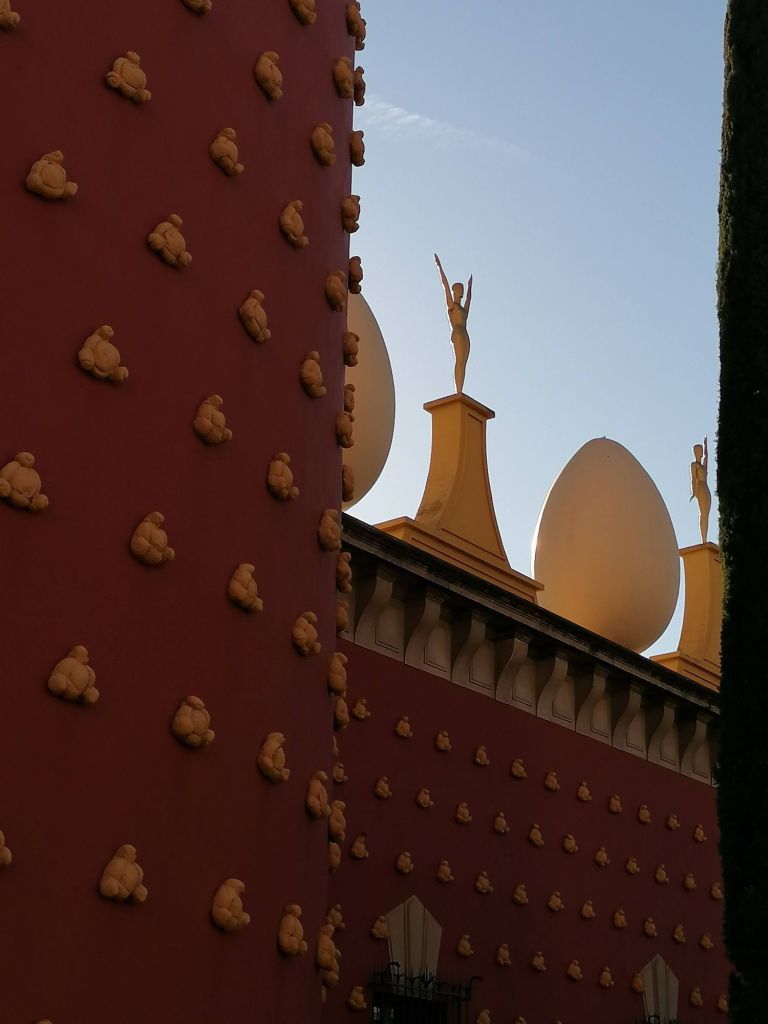
… and our first stop was Figueres for a change. This is the birth place of Salvador Dalí and the old municipal theatre, partially destroyed during the civil war, has been turned into a museum. As we are not particularly sensitive to his art, we did not visit but enjoyed strolling around this little town.
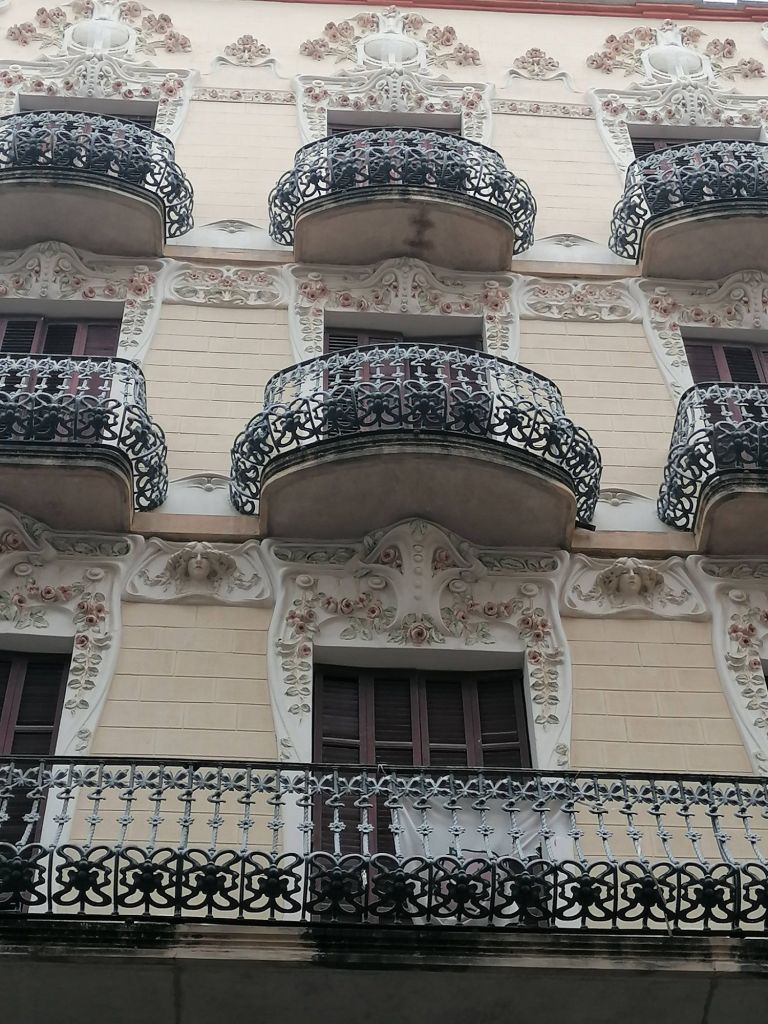
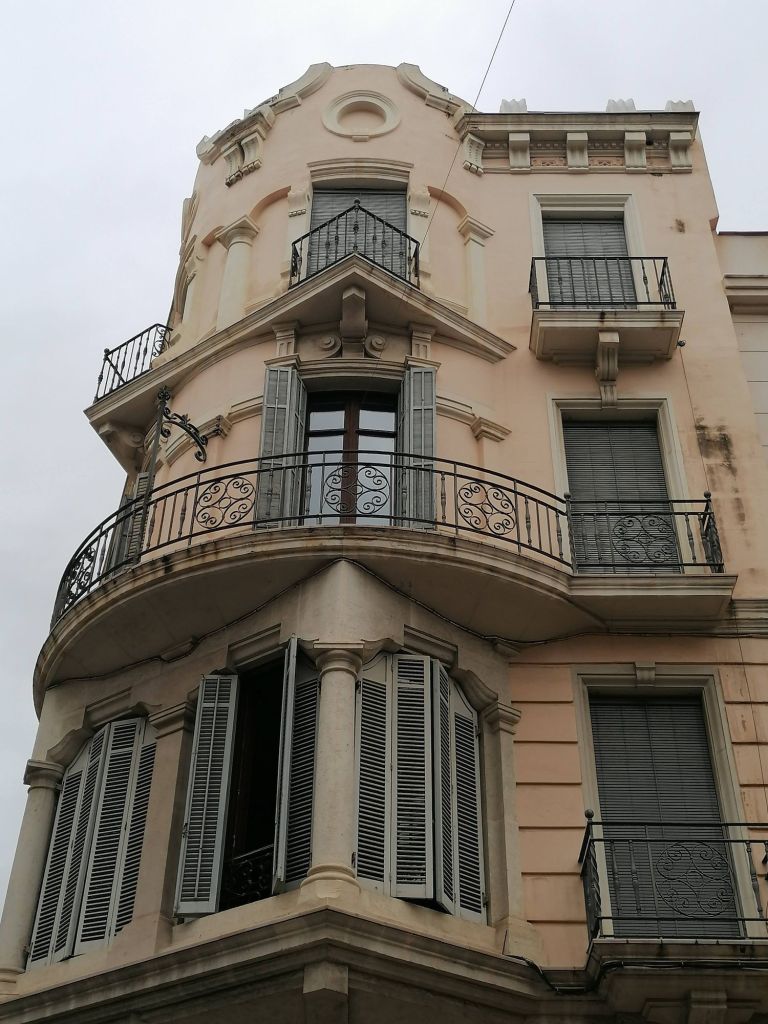
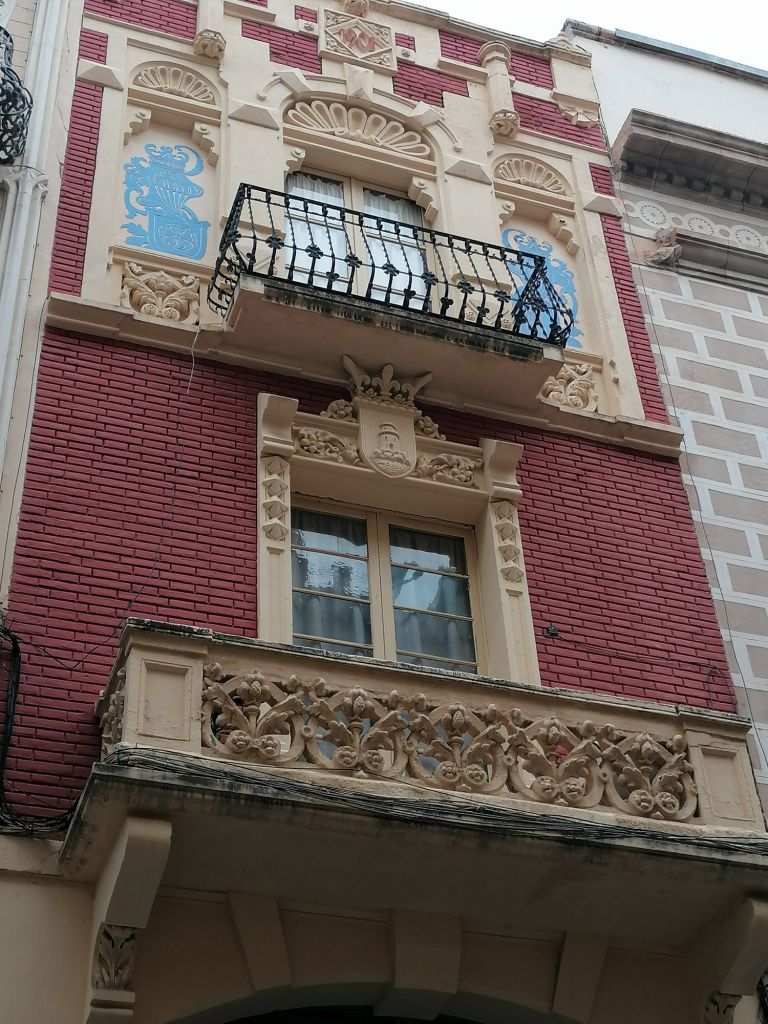
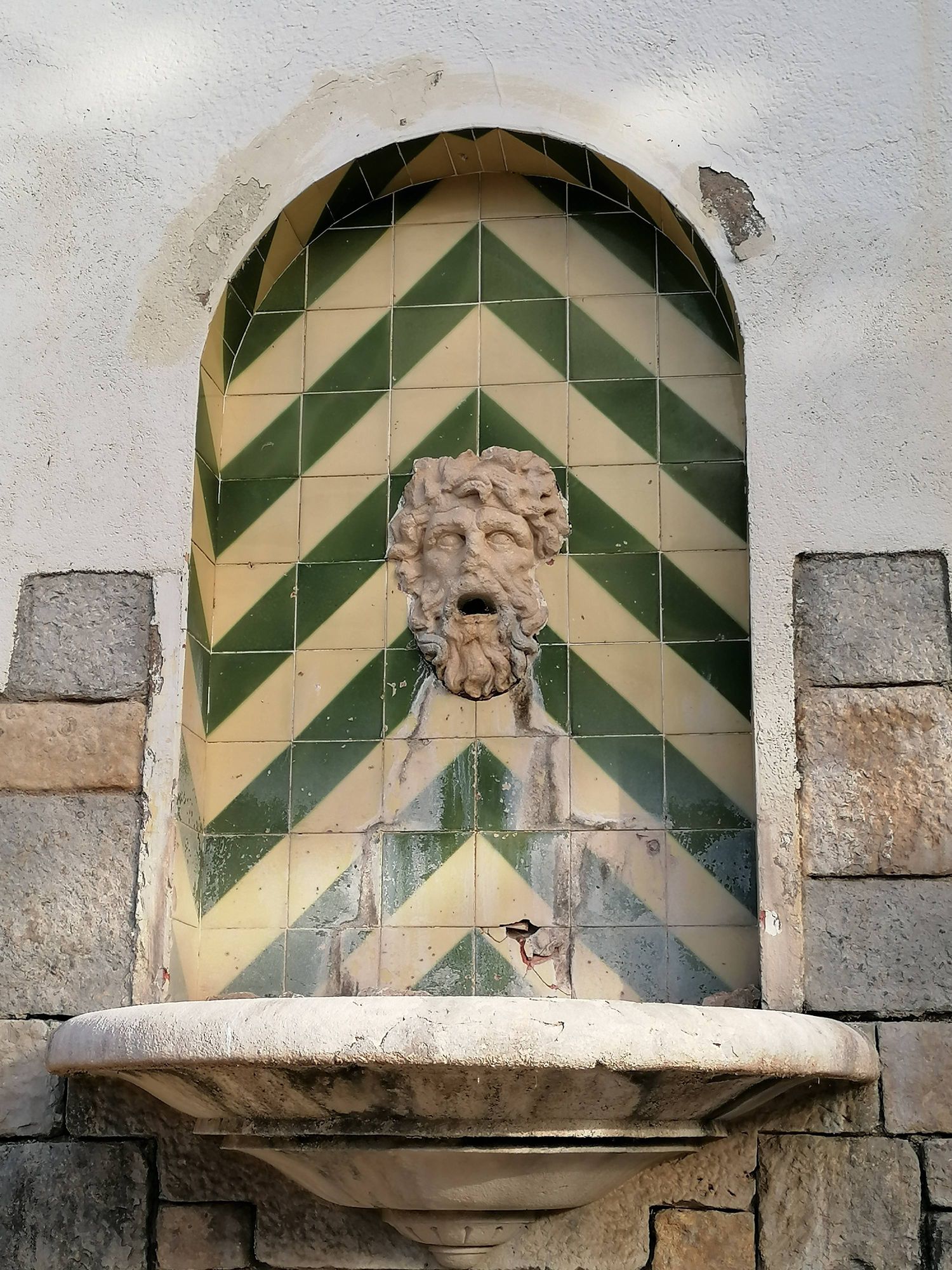
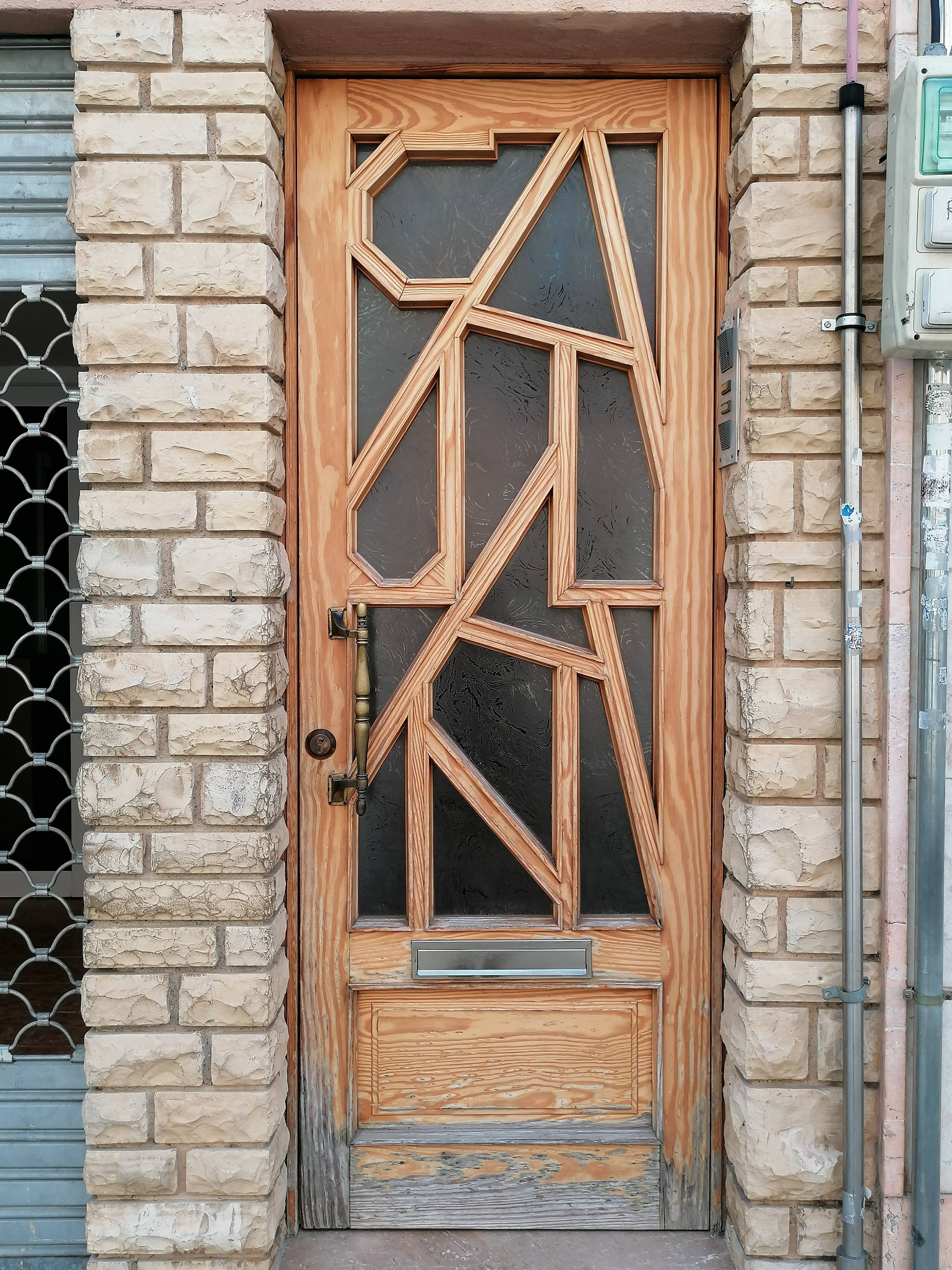
The El Jardín theatre was built between 1914 and 1916 and is, to our eyes, very pretty. As always in Catalunya, there are interesting architectural details on many buildings, which makes for pleasing rambling.
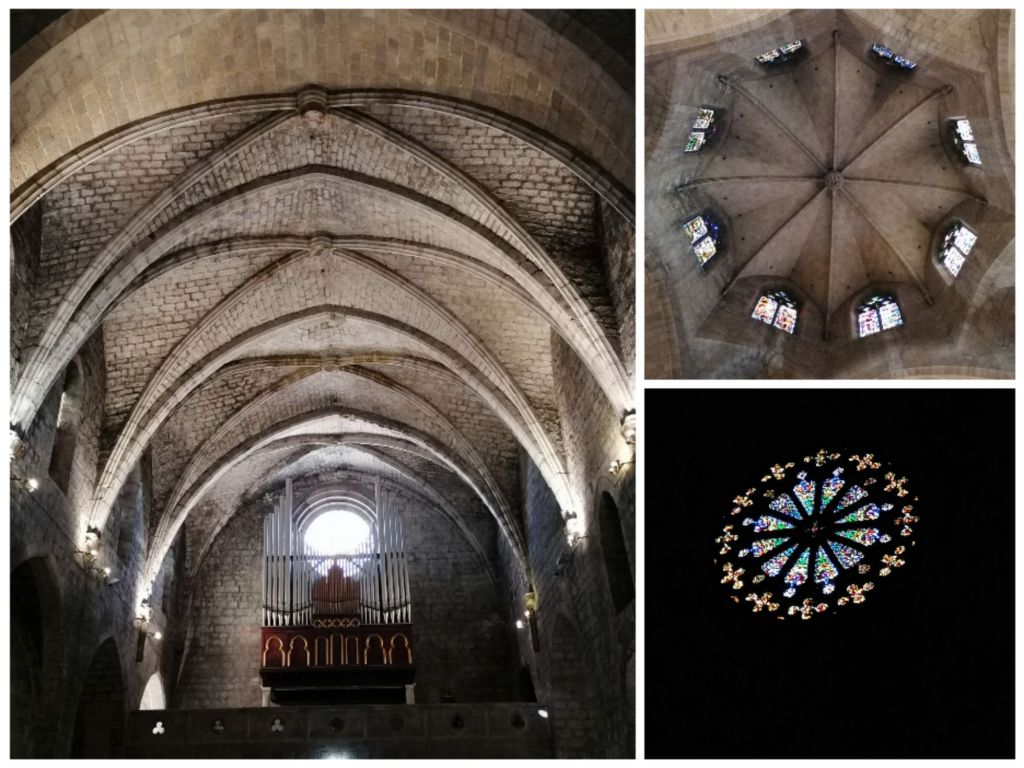
We also liked Sant Pere church very much, with its very sober stone walls, arches and ceiling.
De retour en Espagne
… et notre première étape a été Figueres, la ville natale de Salvador Dalí. L’ancien théâtre municipal, partiellement détruit pendant la guerre civile, a été transformé en musée. Comme nous ne sommes pas particulièrement sensibles à son art, nous ne l’avons pas visité mais avons pris plaisir à nous promener dans cette petite ville.
Le théâtre El Jardín a été construit entre 1914 et 1916 et est, à nos yeux, très joli. Comme toujours en Catalogne, de nombreux bâtiments présentent des détails architecturaux intéressants, ce qui rend la balade plaisante.
Nous avons également beaucoup aimé l’église Sant Pere, très sobre avec ses murs, ses arches et son plafond en pierres.
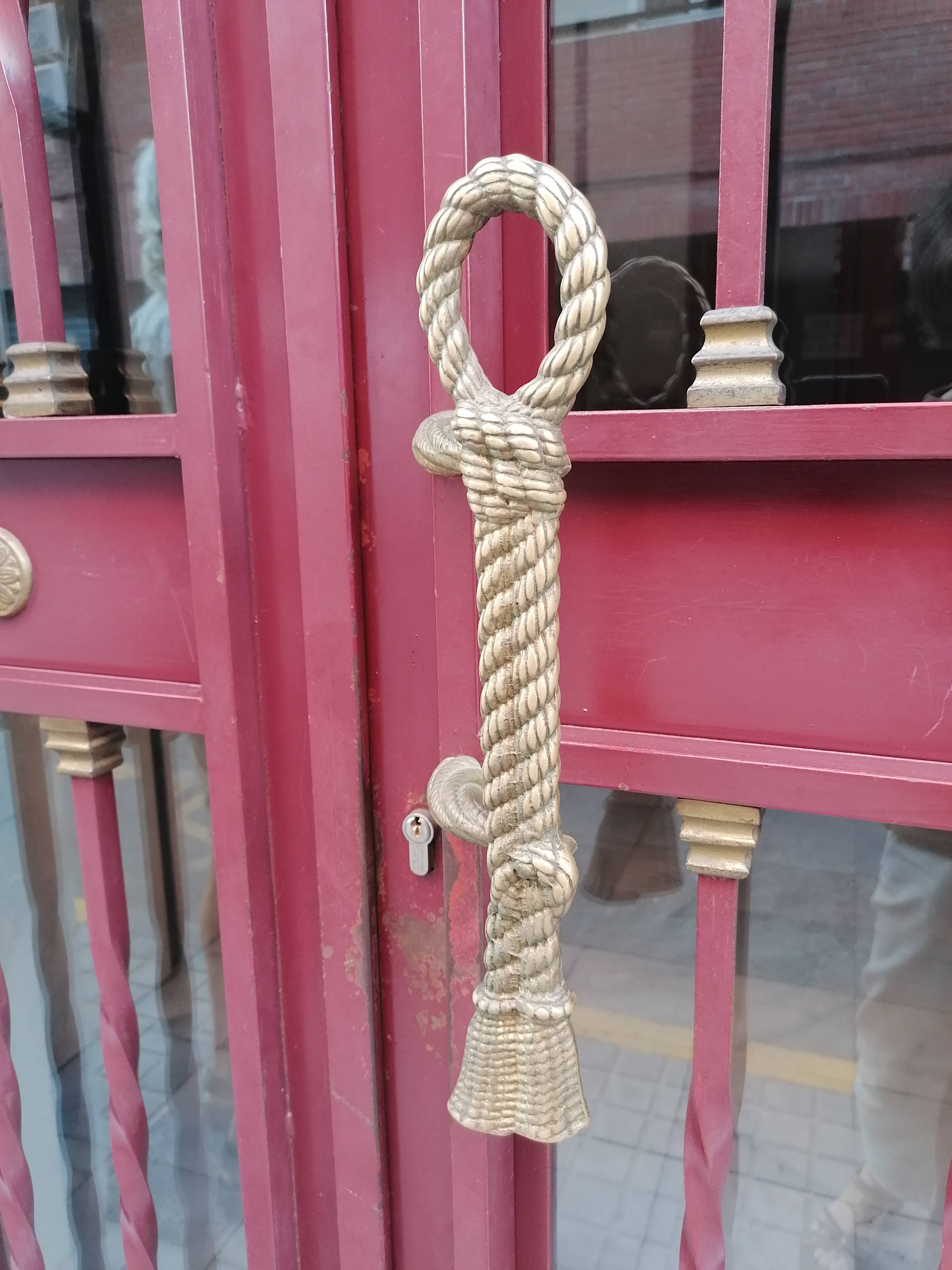
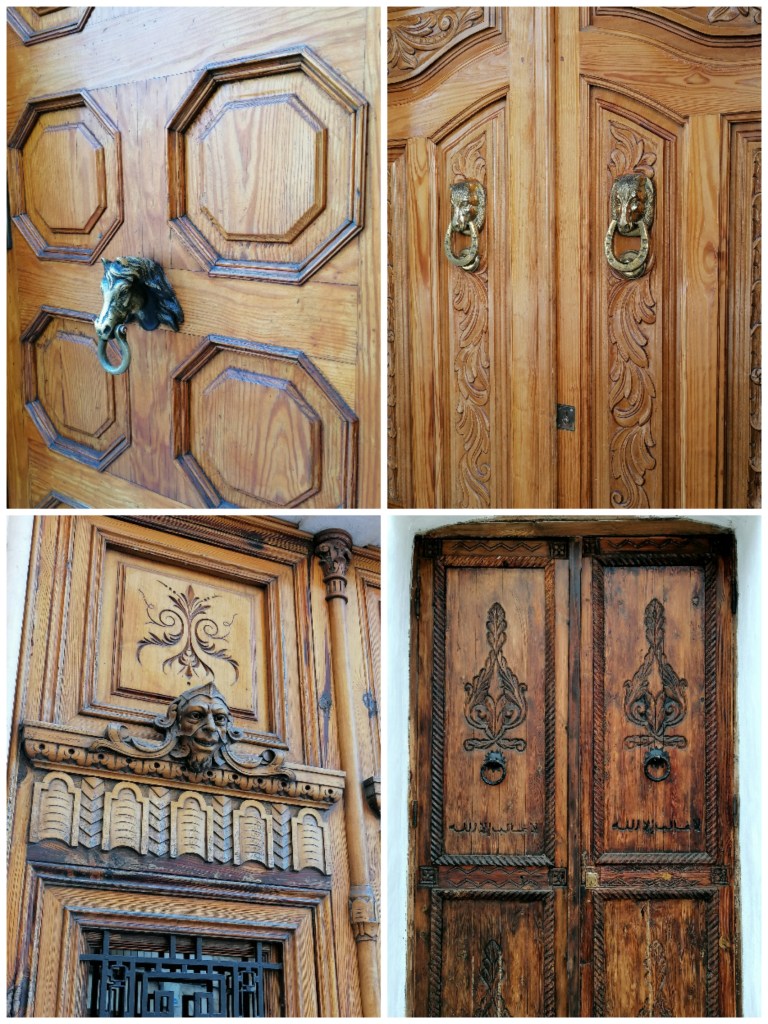
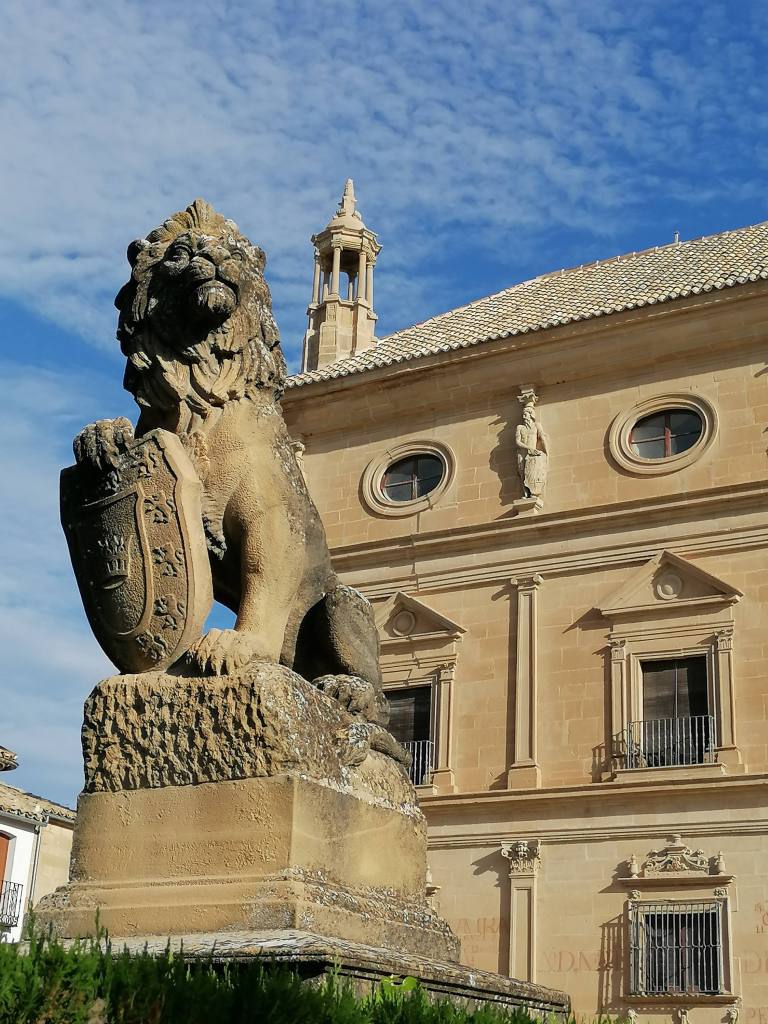
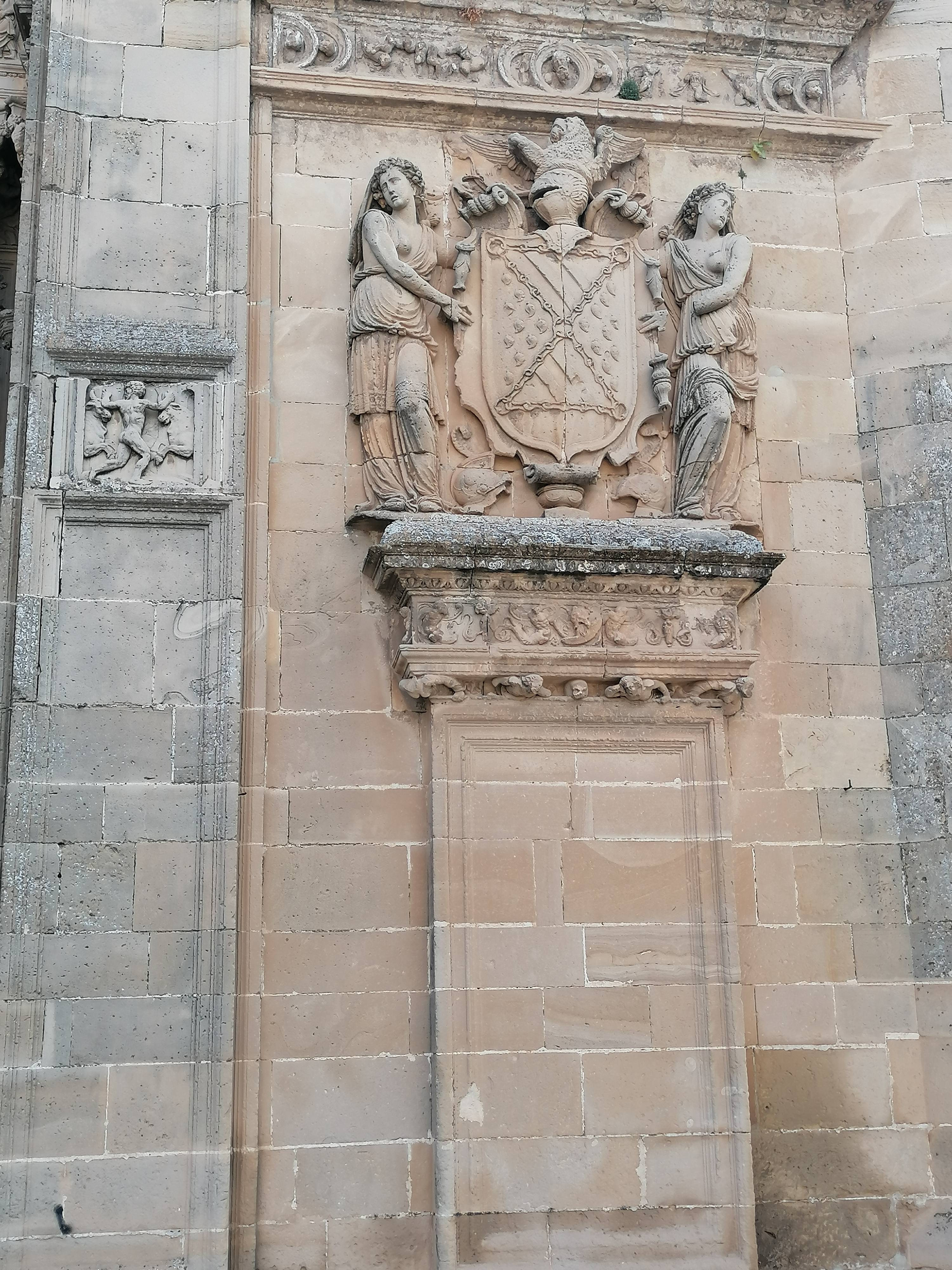
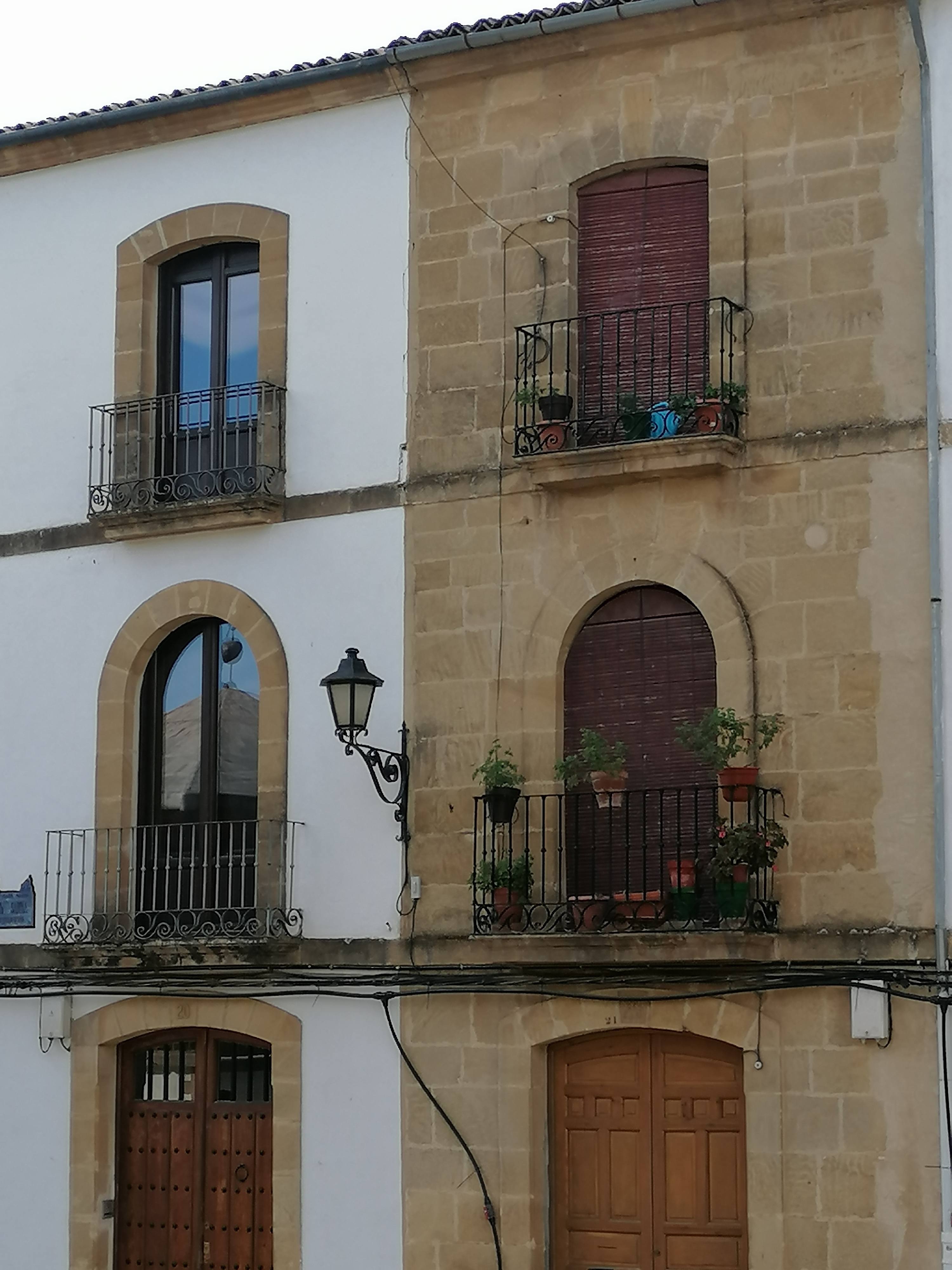
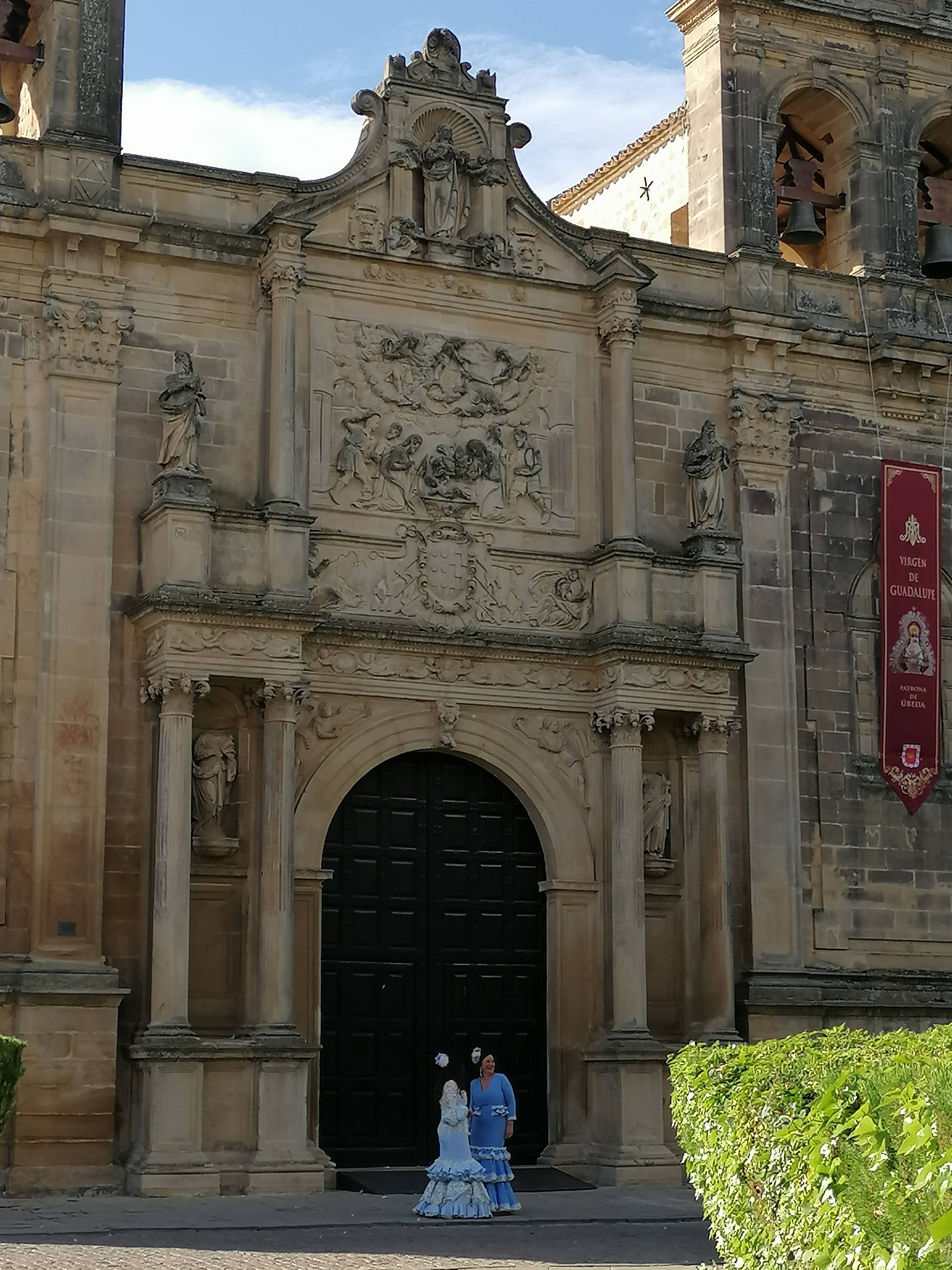
Situated in the province of Jaén, these two small towns were listed conjointly in the Unesco’s World Heritage for their ensemble of Renaissance buildings, a new style when the cities were renovated in the 16th century. We went there for a leisurely week-end and stayed in Baeza, the smaller town of the two, they are a mere 9 km apart.
As usual in Spain, on a Saturday evening, the central square was filled with people of all ages dancing to the municipal band. What was more unusual was the type of dance, the jota baezana, a tradition the town is trying to revive. Given the number of people taking part, they seem to be successsful at it.
Situées dans la province de Jaén, ces deux petites villes ont été inscrites conjointement au patrimoine mondial de l’Unesco pour leur ensemble de bâtiments de la Renaissance, un nouveau style lorsque ces villes ont été restaurées au XVIe siècle. Nous y sommes allés pour un week-end tranquille et avons séjourné à Baeza, la plus petite des deux villes, distantes l’une de l’autre d’à peine 9 km.
Comme d’habitude en Espagne, un samedi soir, la place centrale était remplie de gens, toutes générations confondues, qui dansaient au son de la fanfare municipale. Ce qui était plus inhabituel, c’était le type de danse, la jota baezana, une tradition que la ville essaie de préserver. Au vu du nombre de participants, ils semblent avoir du succès.


















 J and J on the move